
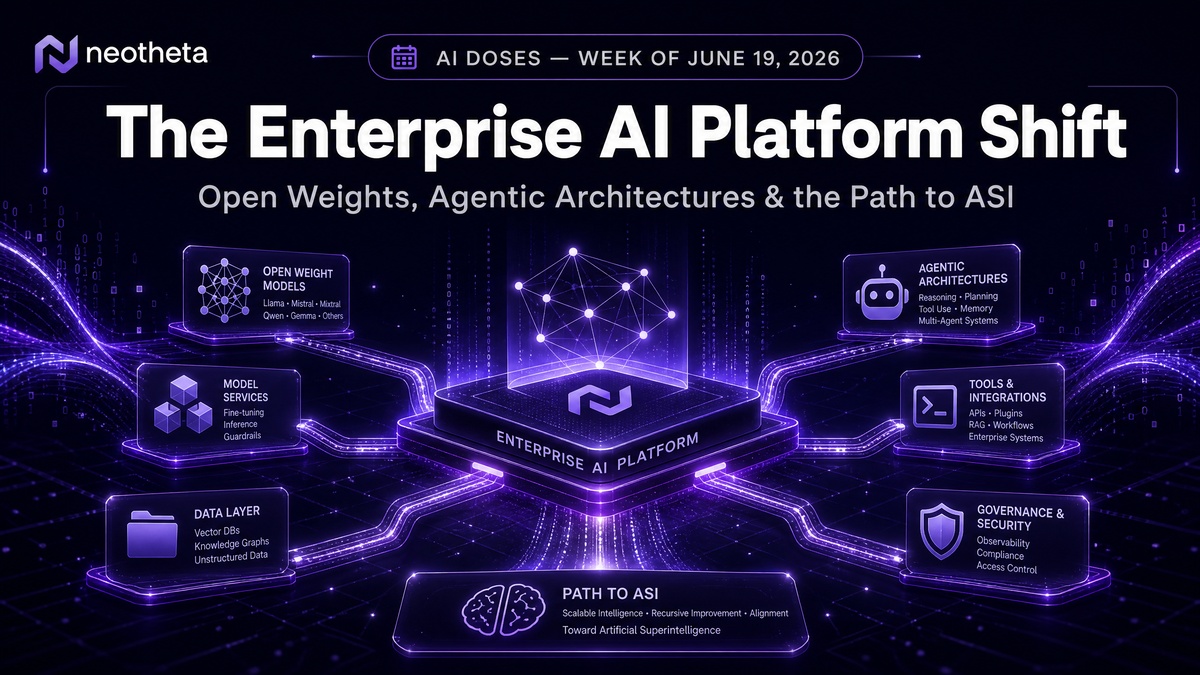
The Enterprise AI Platform Shift: Open Weights, Agentic Architectures, and the Path to ASI
The gap between open and closed models has collapsed, and enterprise AI architectures are shifting toward model-agnostic, agentic platforms capable of autonomous operations at scale.
🏗️ Open-weight models like NVIDIA’s Nemotron 3 Ultra are matching frontier closed-model performance.
🏛 Governments are tightening export controls on frontier AI, accelerating the need for vendor diversification.
🤖 Agentic AI in production reached 32% of enterprises, but stalled projects highlight data governance challenges.
⚖️ Google DeepMind outlines the pathway from AGI to Artificial Superintelligence (ASI), signaling the next horizon of AI capability.
📊 SpaceX’s $60 billion acquisition of AI coding startup Cursor underscores the massive value of agentic software engineering.
The organizations that succeed over the next three years will not simply adopt AI faster — they will build the infrastructure, governance, and operating systems required to scale it safely. This week’s AI Doses explores the signals every technology and business leader should be watching.
Breakthrough Research
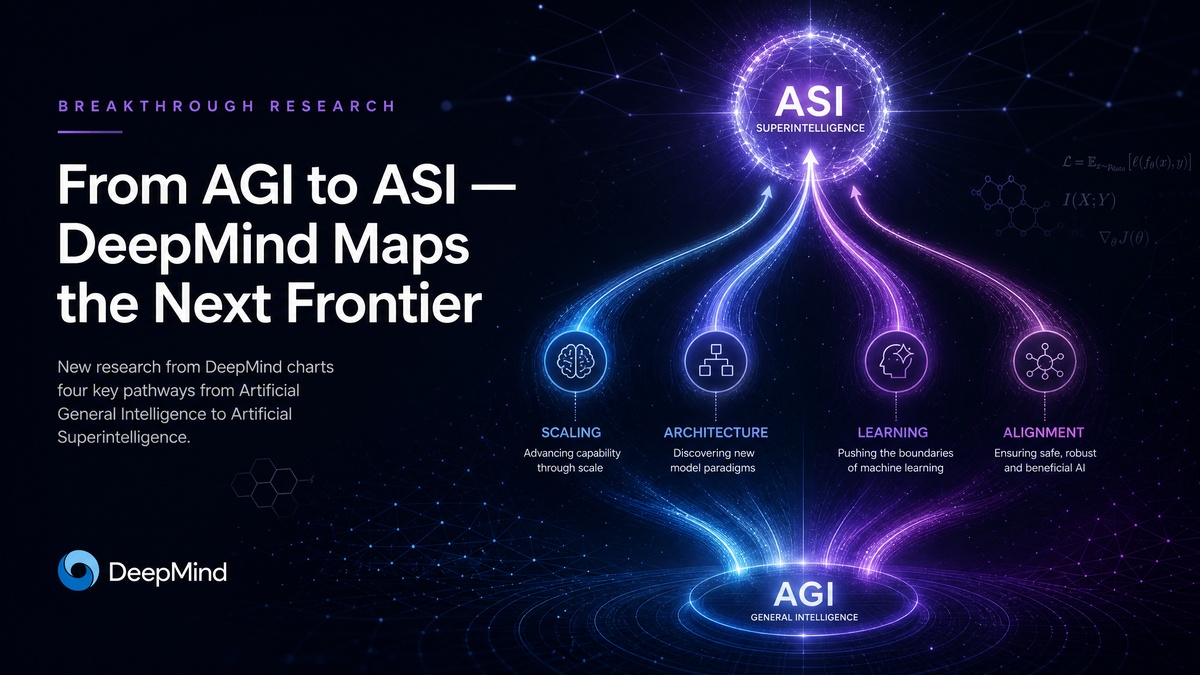
2.1 Google DeepMind Maps the Pathway from AGI to ASI
Problem Addressed: The industry has focused heavily on reaching Artificial General Intelligence (AGI), but the trajectory beyond human-level intelligence to Artificial Superintelligence (ASI) has remained theoretically undefined.
Technical Innovation: Google DeepMind published a seminal paper, “From AGI to ASI,” detailing four potential technical pathways to superintelligence, treating human-level AI not as an endpoint but as a departure gate.
Architecture Implications: The transition from AGI to ASI will likely require fundamentally new architectures beyond current transformer scaling, emphasizing autonomous research, self-improving code generation, and complex multi-agent orchestration.
Enterprise Relevance: Organizations must build flexible, model-agnostic architectures today that can adapt to rapid, non-linear capability jumps as the industry moves toward superintelligent systems.
Future Direction: Expect increased focus on verifiable reward systems and self-improving infrastructure, as seen in emerging startups like INT21, which generates GPU code that self-improves infrastructure performance.
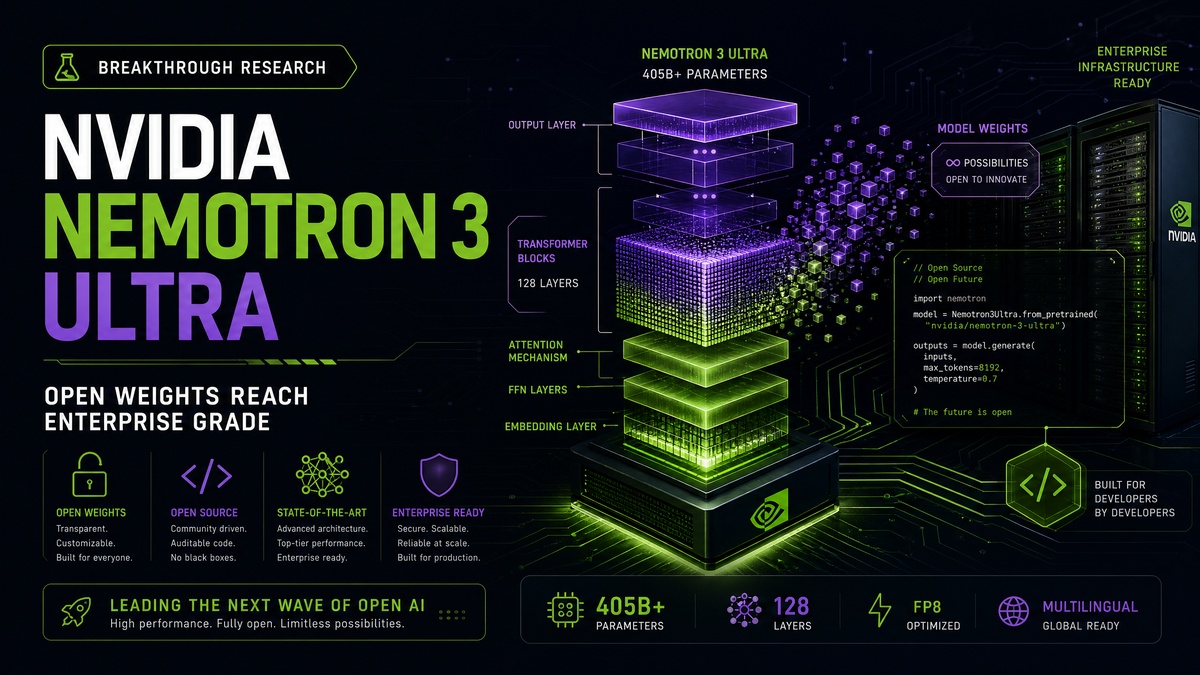
2.2 NVIDIA Nemotron 3 Ultra Achieves Enterprise-Grade Open-Weight Performance
Problem Addressed: Enterprises have historically traded ownership and control for frontier model performance, creating vendor lock-in and data residency challenges.
Technical Innovation: NVIDIA released Nemotron 3 Ultra with full open weights and a 1-million token context window, matching GPT-5.5-level benchmarks. Post-training by Harvey demonstrated frontier performance on complex legal reasoning in under 24 hours.
Architecture Implications: The performance gap between open and closed models has collapsed. Enterprises can now run frontier-level models entirely on their own infrastructure, eliminating data residency bottlenecks.
Enterprise Relevance: Organizations should shift toward model-agnostic orchestration, utilizing open-weight models for sensitive workloads while maintaining closed models for edge cases, reducing reliance on single-vendor APIs.
Future Direction: Open-weight AI is no longer a compromise but a strategic advantage for cost optimization, data governance, and vendor independence.
2.3 Anthropic’s Frontier Models Face U.S. Export Controls
Problem Addressed: The rapid advancement of frontier AI models with sophisticated cyber capabilities has raised significant national security and biosecurity concerns.
Technical Innovation: Following the release of Anthropic’s highly capable frontier models, the U.S. government issued an export control directive, forcing Anthropic to temporarily restrict global access to comply with restrictions on foreign national access.
Architecture Implications: Model-dependent architectures face business continuity risks when a single vendor changes availability due to regulatory actions.
Enterprise Relevance: The incident underscores the critical need for enterprise AI architectures to support model-swapping and self-hosted open models to mitigate vendor dependency and ensure continuous operations.
Future Direction: AI regulation is increasingly focusing on frontier model security and export controls, elevating AI governance to a national security priority.
Industry & Strategy Intelligence
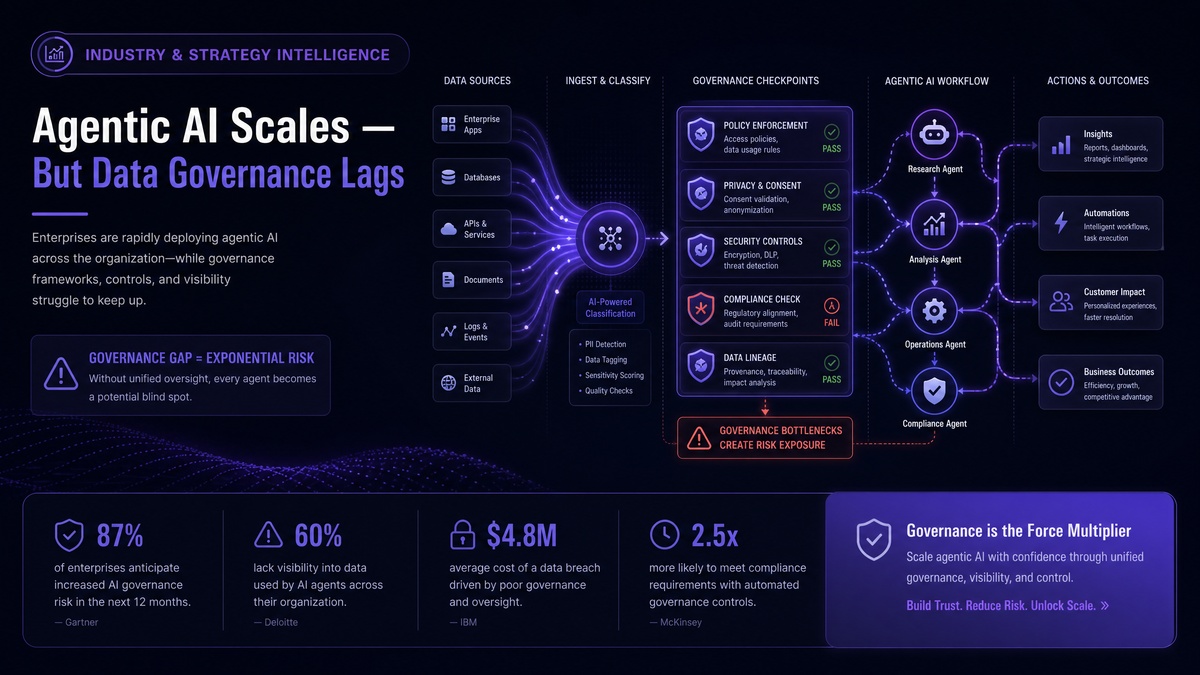
Agentic AI Adoption Accelerates, But Data Governance Lags
Three developments this week point toward a fundamental shift in how AI competitive advantage is established:
- Agentic AI in production reached 32% of enterprises in 2026, up from 29% the previous year.
- However, 77% of these organizations report stalled projects due to data infrastructure, quality, and governance issues.
- The White House issued a new Executive Order focusing on advanced AI innovation and security, expanding cybersecurity mandates.
Industry Impact: The transition to autonomous agentic workflows is underway, but success is bottlenecked by data readiness. Agents acting on unverified or stale data present significant operational and security risks.
Adoption Barriers:
- Data infrastructure and quality issues (66%)
- Governance, risk, and compliance problems (65%)
- LLM reliability and non-determinism (68%)
- Skills gap and organizational readiness (69%)
Compliance Implications: Security and governance must shift left, moving closer to the data source. Inline security, validation, and access rules at the point of ingestion are becoming mandatory capabilities for data streaming platforms.
Competitive Positioning: The market is moving beyond deploying agents to ensuring the data they act upon is trusted, governed, and verifiable.
Tools, Products & Platform Spotlights
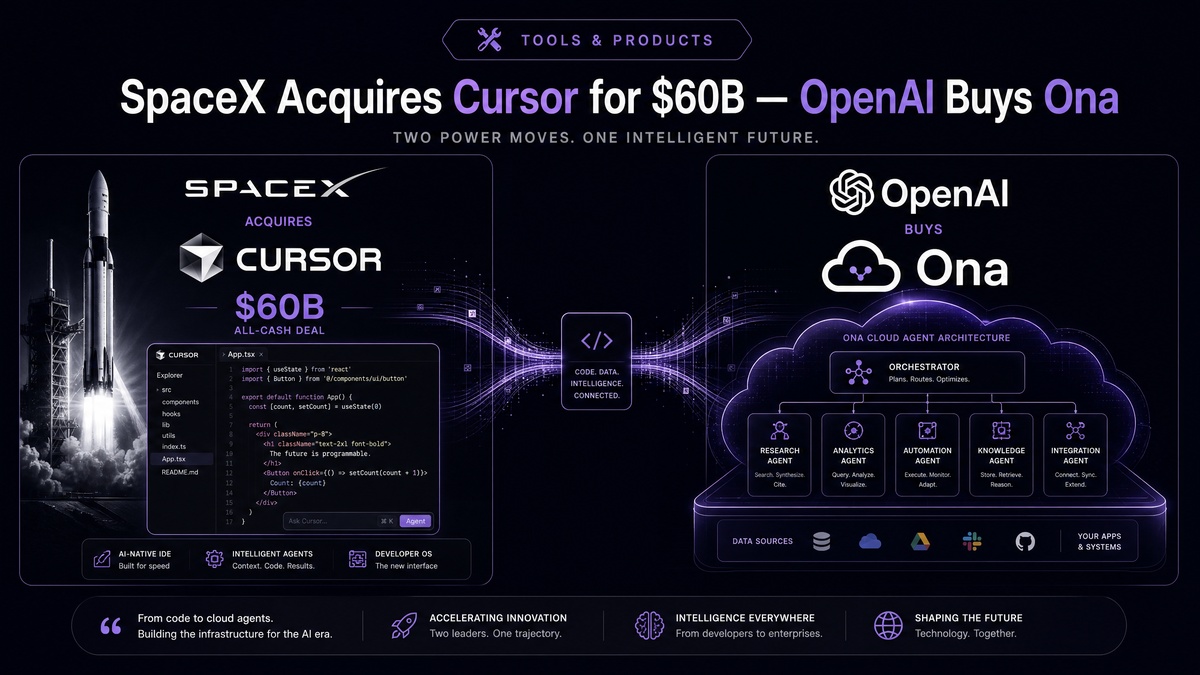
SpaceX Acquires AI Coding Startup Cursor for $60 Billion
What It Does: SpaceX announced the acquisition of Anysphere, the company behind the popular AI coding tool Cursor, in an all-stock deal valued at $60 billion.
Target Audience:
- Software engineering teams
- Enterprise IT departments
- AI product companies
Enterprise Use Cases: Accelerating software development, code generation, and agentic software engineering.
Benefits: Integration of advanced AI coding capabilities into complex engineering environments, signaling the immense value of AI-assisted development.
Risks: Market consolidation and the rising cost of top-tier AI engineering tools.
Strategic Observation: The acquisition highlights that AI coding tools are not just productivity enhancements but critical strategic assets for technology companies operating at the frontier.
OpenAI Acquires Ona for Long-Running Agents
What It Does: OpenAI’s acquisition of German startup Ona brings secure cloud execution and orchestration capabilities to the Codex platform, enabling persistent, customer-controlled environments for long-running AI agents.
Enterprise Benefits:
- Support for extended agentic workflows
- Secure cloud execution environments
- Enhanced orchestration for complex tasks
Strategic Observation: The ability for AI agents to operate autonomously over extended periods in secure environments is a key requirement for enterprise-grade agentic architectures.
Podcasts Worth Your Time
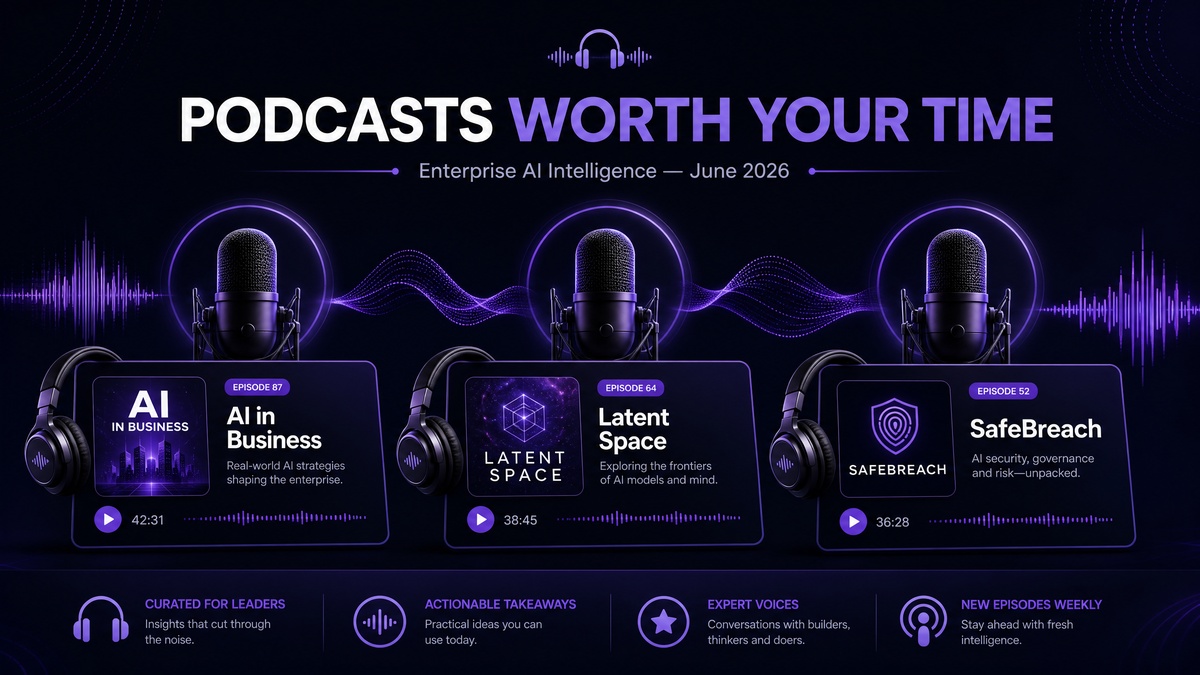
How Enterprise Leaders Should Measure the ROI of AI
Enterprise AI investments frequently succeed at the pilot stage but struggle to demonstrate clear ROI at scale. This episode explores frameworks for measuring the true business impact of AI initiatives, with practical guidance for technology and business leaders.
Enterprise AI AI Strategy Executive Intelligence
The Self-Driving Lab — Joseph Krause, Radical AI
An in-depth discussion on the intersection of AI and scientific research, exploring how AI agents are transforming laboratory environments and accelerating discovery. Highly relevant for organizations exploring AI in R&D and innovation functions.
AI Research Agentic AI Innovation
Frontier Models and Zero-Day Exposures: Enterprise Security in the Age of Advanced AI
An analysis of how the offensive cyber landscape has dramatically shifted with the release of the latest frontier AI models, focusing on the implications for enterprise security teams and the new threat vectors that security leaders must address.
Cybersecurity Frontier Models Enterprise Risk
Webinars & Events
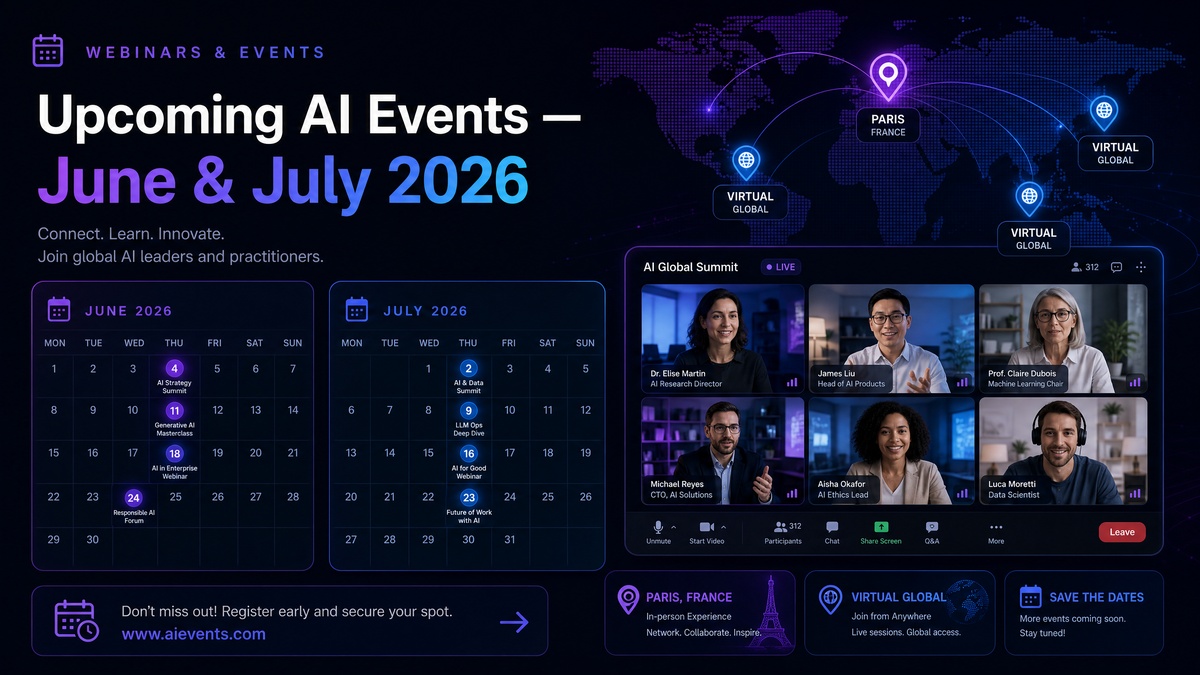
AI Demystified: What You Don’t Know
A comprehensive session covering the foundational aspects of AI adoption, focusing on overcoming common misconceptions and building a solid AI strategy for enterprise leaders and practitioners.
AI Strategy Enterprise Adoption AI Literacy
AI, Security Architecture, and Enterprise Architecture
Hosted by AEA, this webinar explores the intersection of AI, technology, and automation, providing insights into building secure and scalable enterprise architectures for AI deployments.
Enterprise Architecture Security Automation
Pathways to Facilitate the Adoption of Virtual Human Twin and AI
An EUHPP Live Webinar focusing on the application of AI and virtual human twin technologies in healthcare and research, discussing adoption pathways and regulatory considerations for enterprise teams.
Healthcare AI Innovation Regulation
Vintage Enterprise AI Summit 2026
A private, invitation-only summit for senior executives, founders, and investors shaping enterprise AI adoption, featuring high-level discussions on strategy, governance, and ROI measurement.
Executive Leadership AI Strategy Networking
Future Trends & Market Opportunities
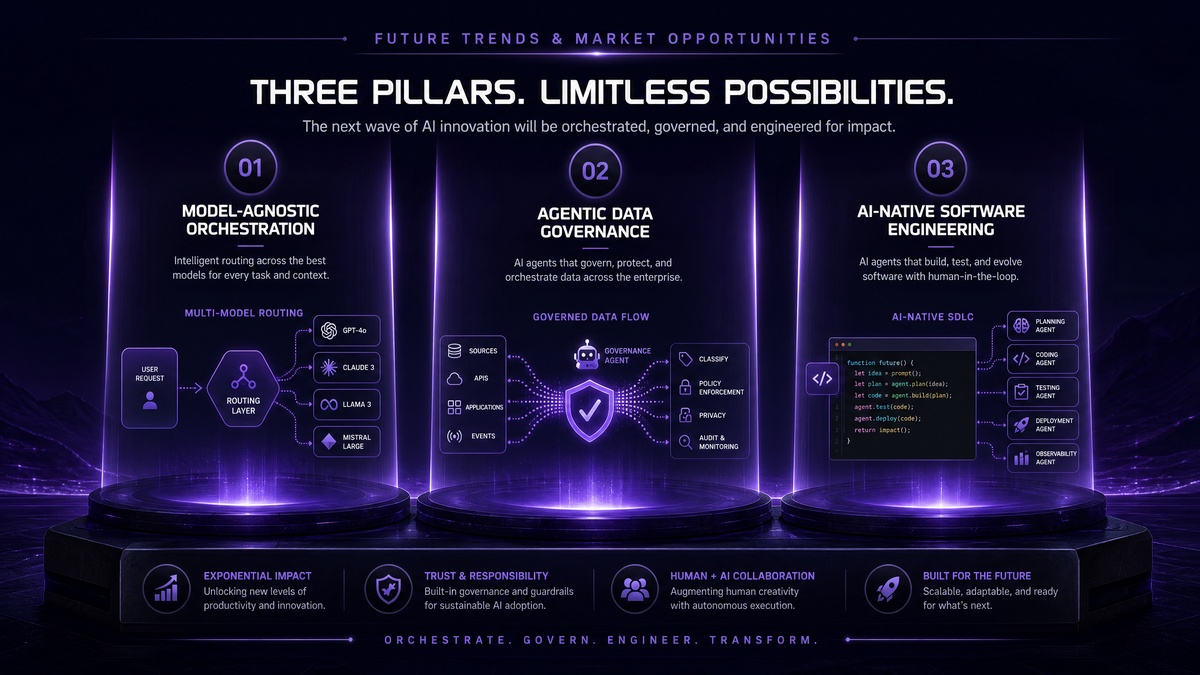
Model-Agnostic Orchestration
Why Now: The performance parity between open-weight models (like Nemotron 3 Ultra) and closed APIs, combined with regulatory actions affecting model availability, necessitates flexible architectures.
Enterprise Preparation: Develop AI platforms that route between models based on cost, latency, and compliance. Ensure all integrations are model-swappable to avoid vendor lock-in. Build capabilities for self-hosting open models for sensitive workloads.
Risks: Architectural rigidity and over-reliance on a single closed-model provider.
Agentic Data Governance
Why Now: As agentic AI moves into production, stalled projects reveal that autonomous agents acting on unverified or stale data pose significant operational risks.
Enterprise Preparation: Shift security and governance controls to the point of data ingestion. Implement robust data provenance and quality monitoring frameworks. Establish clear access rules and audit trails for agentic actions.
Impacted Functions: Data Engineering, Security, Compliance, Operations.
AI-Native Software Engineering
Why Now: SpaceX’s $60B acquisition of Cursor and OpenAI’s acquisition of Ona highlight the massive strategic value of AI-assisted coding and long-running autonomous agents in software development.
Enterprise Preparation: Integrate advanced AI coding assistants into the SDLC. Prepare infrastructure to support persistent, customer-controlled cloud environments for agents. Redefine engineering roles to focus on architecture and system design alongside AI agents.
Impacted Functions: Software Engineering, DevOps, IT Leadership.
Expert Quote of the Week
“The model was never the problem. A secure model fed bad data still produces bad outcomes. The live threat for most companies isn’t a rogue AI model. It’s bad, ungoverned, non-consented data flowing into systems that now act on it automatically. The companies getting AI right fixed their data discipline first.”
Enterprise Relevance: This insight highlights the critical bottleneck in scaling agentic AI. As organizations deploy autonomous agents, the focus must shift from model selection to data governance and infrastructure readiness.
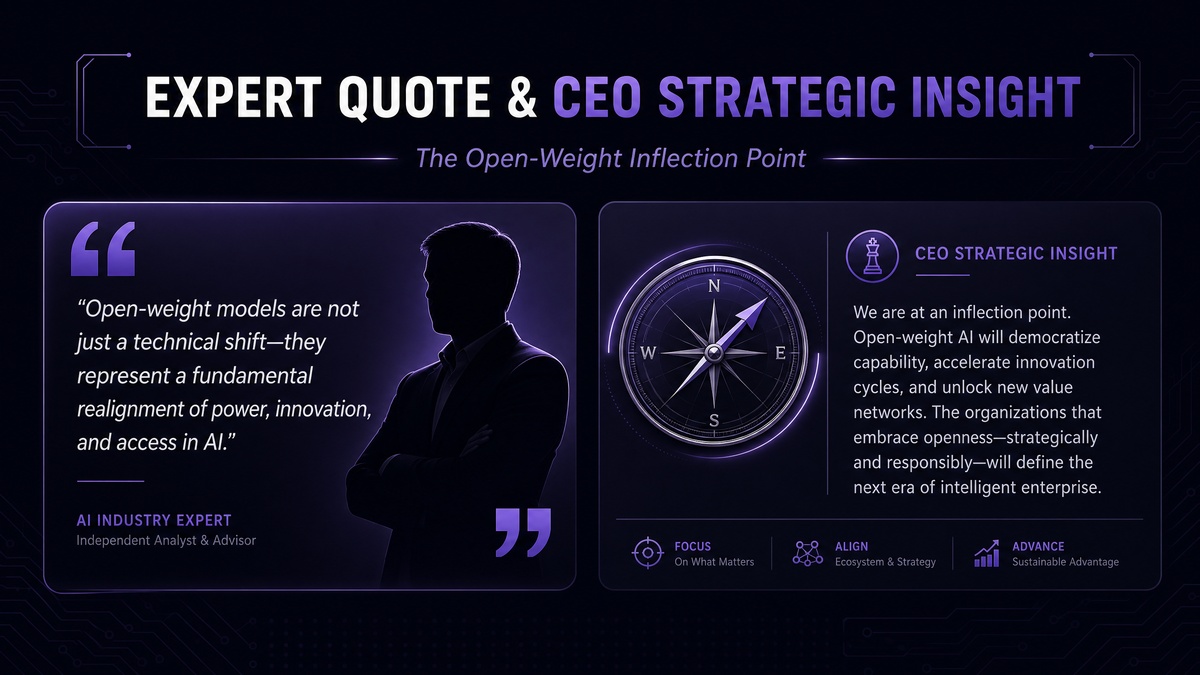
This Week’s Strategic Perspective
The Open-Weight Inflection Point Demands Architectural Agility
The Enterprise AI Agent Deployment Checklist has fundamentally changed this week.
For years, the strategy was straightforward: select a frontier closed-model provider, integrate their API, and accept the dependency. The release of NVIDIA’s Nemotron 3 Ultra, matching frontier performance with full open weights, shatters this paradigm.
Simultaneously, U.S. government export controls on Anthropic’s frontier models demonstrated the profound business continuity risks of single-vendor dependency.
Organizations now face a strategic imperative:
- Embrace Model-Agnostic Architectures: Your AI platform must dynamically route workloads across open and closed models based on capability, cost, and compliance.
- Prioritize Data Governance: As agentic AI scales, autonomous systems are only as reliable as the data they consume. Shifting governance to the data source is non-negotiable.
- Leverage Open Weights for Strategic Advantage: Domain-specific fine-tuning on open models running on your infrastructure is the new competitive moat, eliminating data residency concerns.
The enterprises that build agile, model-agnostic architectures today will outmaneuver those waiting for permission from a single vendor.
#AILeadership #EnterpriseAI #AIGovernance #AgenticAI #OpenWeights #DigitalTransformation #FutureOfWork
— Founder & CEO, Neotheta | AI | Strategy | Product Innovation
Ready to Move Beyond AI Experimentation?
At Neotheta, we help enterprises transform AI from isolated pilots into scalable business capabilities. Whether you’re defining an AI strategy, building AI governance frameworks, modernising data & AI platforms, developing AI-native products, or scaling agentic AI initiatives — our team helps organisations translate emerging AI technologies into measurable business outcomes.
AI Strategy · AI Governance · Product Innovation · Enterprise Transformation · AI Platform Architecture
