
The Enterprise AI Infrastructure Race Accelerates
Compute, governance, and agentic AI are reshaping enterprise strategy — and the organizations that act now will define the next decade of AI leadership.
🏗️ Frontier AI companies are investing billions into compute infrastructure.
🏛 Governments are elevating AI to a national competitiveness priority.
🤖 Agentic AI is moving from experimentation toward enterprise deployment.
⚖️ Governance is expanding beyond model safety into broader operational and societal risk management.
📊 Enterprise leaders are increasingly focused on AI operating models rather than AI tools.
The organizations that succeed over the next three years will not simply adopt AI faster — they will build the infrastructure, governance, and operating systems required to scale it safely. This week’s AI Doses explores the signals every technology and business leader should be watching.
Breakthrough Research
2.1 Anthropic Commits $35 Billion to AI Compute Expansion
Problem Addressed: AI model development and enterprise deployment are increasingly constrained by compute availability, creating bottlenecks for organizations scaling AI workloads.
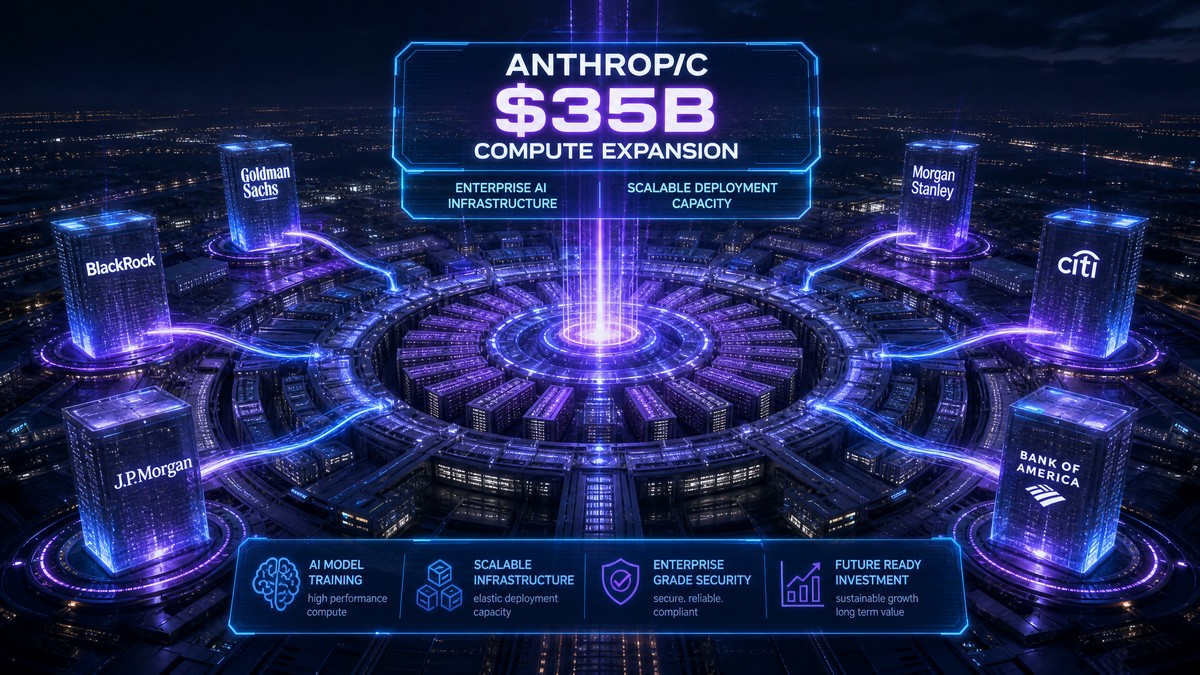
Technical Innovation: Anthropic announced a landmark $35 billion infrastructure initiative, backed by major financial institutions and technology partners, to dramatically expand compute capacity for AI development and deployment.
Architecture Implications: Expanded compute infrastructure will accelerate model development cycles, reduce inference costs, and increase availability of frontier AI capabilities for enterprise deployment.
Enterprise Relevance: Organizations building on Anthropic’s Claude models will benefit from improved availability, performance, and enterprise-grade deployment options as infrastructure scales.
Future Direction: Compute infrastructure is becoming a strategic differentiator — organizations that secure access early will have deployment advantages over competitors.
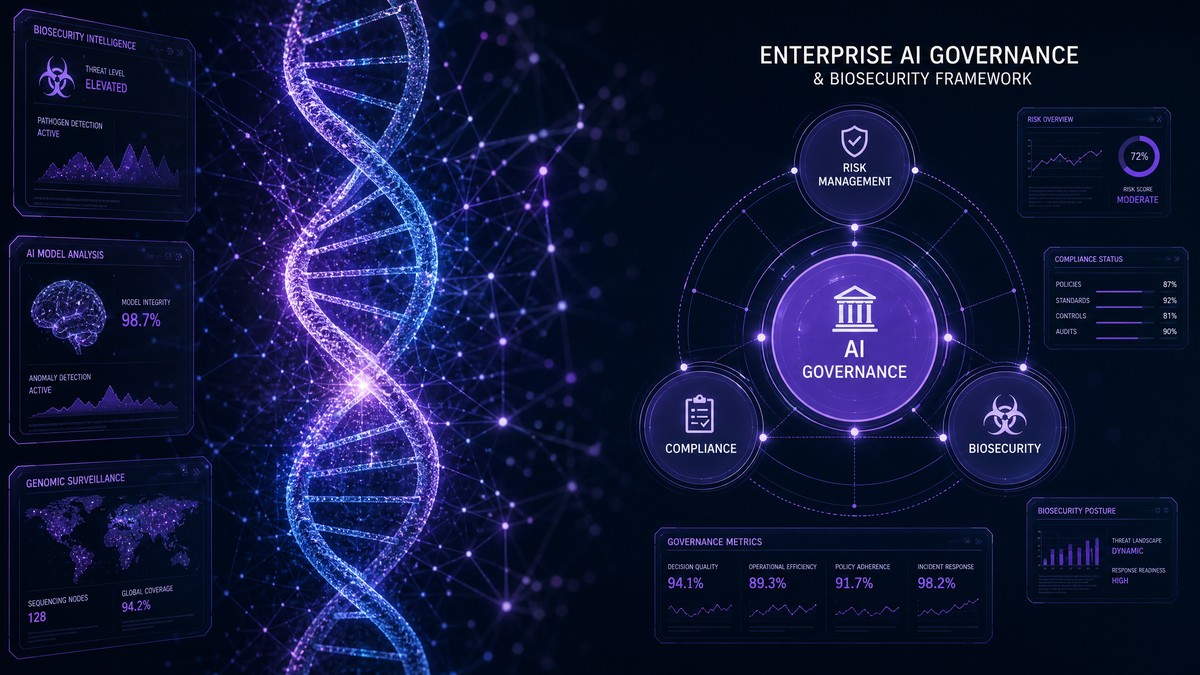
2.2 UK Government Elevates AI to National Security Priority
Problem Addressed: Governments are grappling with the dual challenge of enabling AI innovation while managing emerging risks in biosecurity, critical infrastructure, and national competitiveness.
Technical Innovation: The UK government announced expanded AI safety research programs and elevated AI governance to a national security-level priority, with specific focus on biosecurity risks from AI-enabled research.
Architecture Implications: Organizations operating in regulated sectors will face increasing compliance requirements around AI governance, auditability, and risk management frameworks.
Enterprise Relevance: Enterprise AI programs must begin integrating governance, risk, and compliance (GRC) frameworks into their AI operating models — not as afterthoughts, but as foundational capabilities.
Future Direction: Expect AI governance to become a board-level priority across regulated industries including financial services, healthcare, and critical infrastructure.
2.3 Snowflake and AWS Deepen Enterprise Agentic AI Partnership
Problem Addressed: Enterprises struggle to deploy agentic AI systems at scale due to data fragmentation, governance gaps, and infrastructure complexity.
Technical Innovation: Snowflake announced a deepened strategic collaboration with AWS, integrating Snowflake’s AI Data Cloud with AWS’s enterprise AI services to enable seamless agentic AI deployment at enterprise scale.
Architecture Implications: The partnership enables enterprises to build agentic AI systems that operate closer to where enterprise data already resides, reducing data movement, latency, and governance complexity.
Enterprise Relevance: Organizations already using Snowflake and AWS can accelerate agentic AI deployment without major infrastructure changes — a significant operational advantage.
Future Direction: Data platforms are rapidly evolving into AI platforms. Organizations should evaluate their data infrastructure as a core component of their AI strategy.
Industry & Strategy Intelligence
AI Competition Is Becoming Infrastructure Competition
Three developments this week point toward a fundamental shift in how AI competitive advantage is established:
- Anthropic is investing $35B in compute infrastructure.
- Snowflake and AWS are deepening their enterprise AI data partnership.
- Governments are elevating AI to a national competitiveness priority.
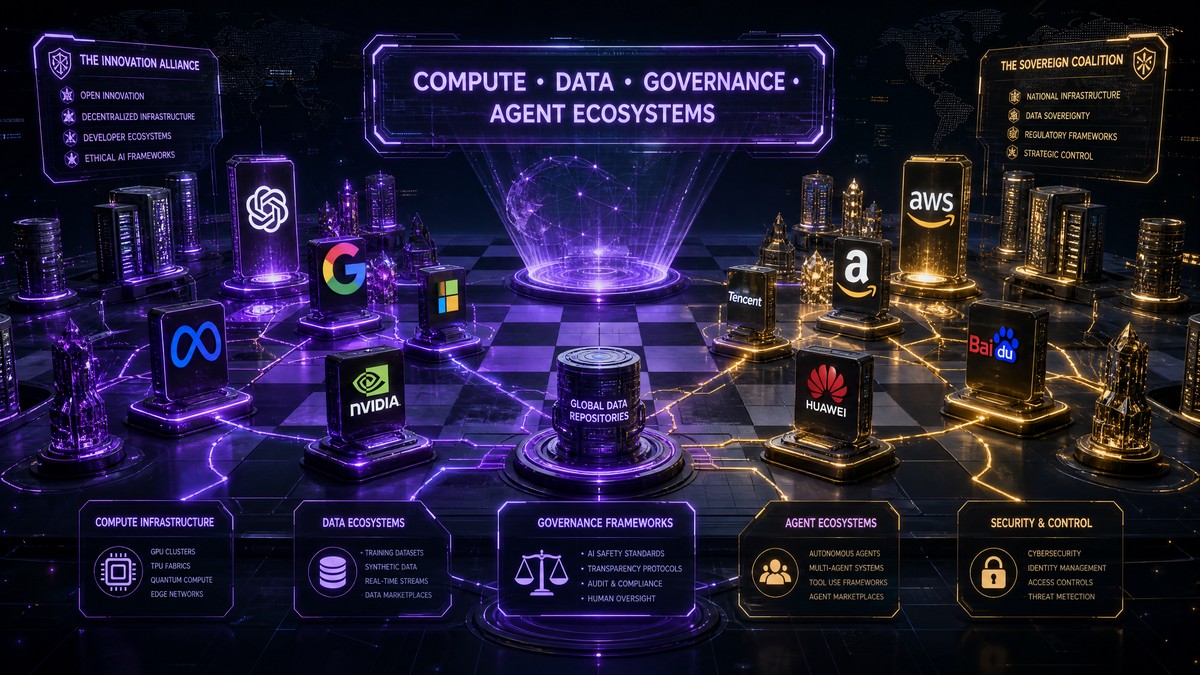
Industry Impact: AI competition is increasingly becoming infrastructure competition. The organizations controlling compute, data, governance, and agent ecosystems will likely shape the next decade of enterprise AI adoption.
Adoption Barriers:
- Data fragmentation
- Governance maturity
- Infrastructure costs
- Organizational readiness
Compliance Implications: Organizations will require AI governance programs, auditability frameworks, security monitoring, and responsible AI controls.
Competitive Positioning: The market is moving beyond “Which model is best?” The new question is: Which enterprise can operationalize AI most effectively?
Tools, Products & Platform Spotlights
Anthropic’s $35 Billion Compute Expansion
What It Does: Anthropic announced a large-scale infrastructure initiative backed by major financial institutions and technology partners to dramatically expand compute capacity for AI development and enterprise deployment.
Target Audience:
- Enterprise AI teams
- Platform engineering groups
- CTO organizations
- AI product companies
Enterprise Use Cases: Large-scale model deployment, agentic AI workloads, enterprise AI platforms, and advanced AI research.
Benefits: Expanded compute availability, increased deployment capacity, improved enterprise scalability, and stronger ecosystem support.
Risks: Infrastructure concentration, vendor dependency, and compute cost pressures.
Strategic Observation: The future AI bottleneck may be infrastructure access — not model access. Organizations should evaluate their AI infrastructure strategy alongside their model strategy.
Snowflake + AWS Strengthen Enterprise Agentic AI
Why It Matters: Snowflake’s expanded collaboration with AWS signals that enterprise AI capabilities are moving closer to where enterprise data already resides.
Enterprise Benefits:
- Faster AI deployment
- Reduced data movement
- Improved governance
- Better operational efficiency
Strategic Observation: Data platforms are rapidly evolving into AI platforms. Organizations should evaluate their data infrastructure as a core component of their AI operating model.
Podcasts Worth Your Time
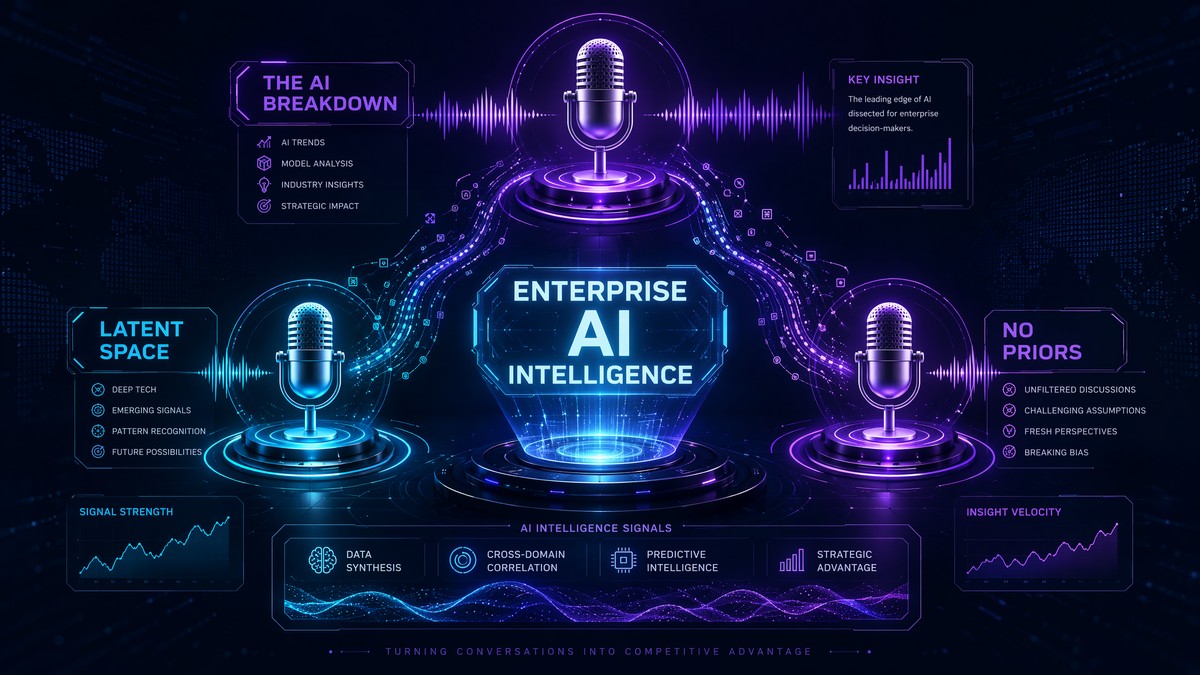
The 4 AI Team Members Execs Should Hire Right Now
Enterprise AI adoption, market shifts, and strategic implications — providing concise executive-level intelligence on rapidly evolving AI developments. Ideal for CTOs and business leaders navigating AI transformation decisions.
Enterprise AI AI Strategy Executive Intelligence
Listen here →Satya Nadella at Microsoft Build 2026
Satya Nadella’s first Latent Space appearance — covers AI infrastructure, Copilot evolution, enterprise architecture, and the future of enterprise AI. Excellent source for technical leaders evaluating long-term AI strategy and Microsoft’s AI roadmap.
AI Infrastructure Enterprise Architecture Microsoft AI
Listen on Latent Space →Mark Zuckerberg on AI Research Teams and Biohub
Zuckerberg discusses how a small team of elite AI researchers can drive meaningful advances — strong founder and executive perspective on the future of AI company strategy, product innovation, and ecosystem evolution.
AI Strategy AI Research Founder Perspective
Listen on No Priors →Webinars & Events
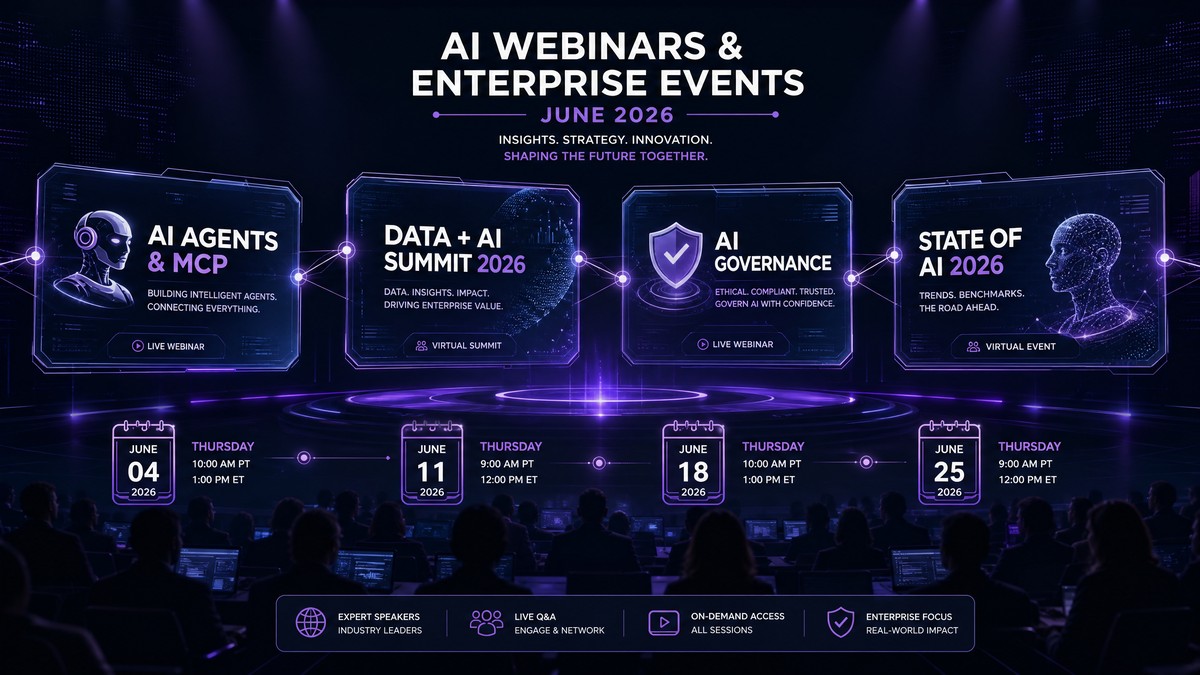
Data + AI Summit 2026
The world’s largest data and AI conference, featuring sessions on LLMs, MLOps, data governance, agentic AI, and enterprise AI transformation. Speakers from leading AI labs and Fortune 500 companies. Essential for enterprise architects and data leaders.
Data Strategy LLMs MLOps Agentic AI
Register Now →Emerging Reference Patterns for AI Agents and MCP in the Enterprise
IANS & CSA joint session covering practical reference patterns for multi-platform security architectures, compensating controls, authentication, authorization, and encryption for enterprise AI agent workflows. Speakers: Aaron Turner (IANS) and Rich Mogull (CSA).
AI Agents MCP Enterprise Security AI Governance
Register via LinkedIn →Operationalize AI Governance
IANS Virtual Symposium providing practical, actionable recommendations to ensure AI governance strategies deliver proper oversight, risk review, and mitigation to enable responsible AI adoption at enterprise scale. Speaker: Summer Craze Fowler (IANS Faculty).
AI Governance Risk Management Compliance
Register Now →The State of AI — June 2026
A timely webinar examining the current state of AI adoption across industries — covering infrastructure trends, governance frameworks, and the strategic priorities enterprise leaders should focus on in H2 2026. Highly relevant for CIOs, CTOs, and AI program leaders.
AI Strategy Enterprise AI AI Trends
Register Now →Future Trends & Market Opportunities
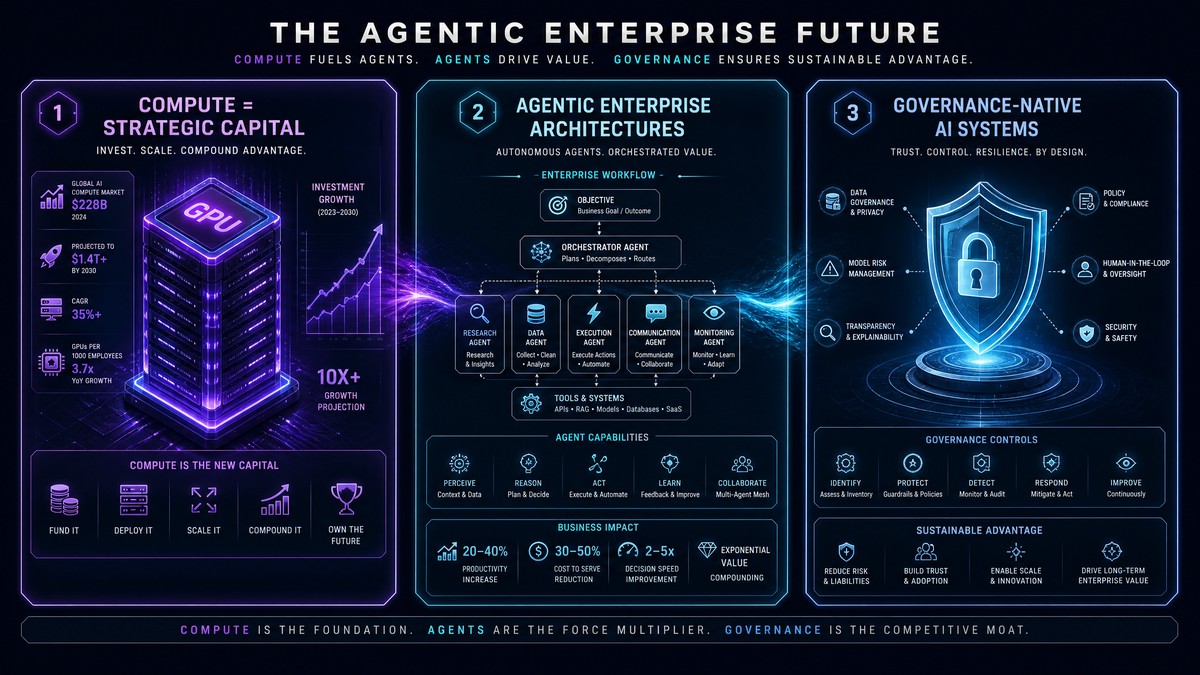
Compute Becomes Strategic Capital
Why Now: AI growth is increasingly constrained by infrastructure availability. Anthropic’s $35B investment signals that compute access is becoming a competitive differentiator.
Enterprise Preparation:
- Infrastructure planning and cloud strategy optimization
- Multi-cloud readiness and vendor diversification
- Compute cost management frameworks
Risks: Capacity constraints, cost escalation, and vendor concentration risk.
Agentic Enterprise Architectures
Why Now: Organizations are transitioning from AI copilots toward autonomous workflows. The Snowflake-AWS partnership signals enterprise-ready agentic AI infrastructure.
Enterprise Preparation:
- Agent governance and human oversight frameworks
- Process redesign for autonomous execution
- Multi-agent orchestration strategies
Impacted Functions: Operations, Finance, Customer Experience, IT.
Risks: Autonomous errors, security vulnerabilities, compliance challenges.
Governance-Native AI Systems
Why Now: AI regulation and enterprise risk management are converging. UK government elevation of AI to national security priority signals accelerating regulatory activity globally.
Enterprise Preparation:
- AI governance programs and risk monitoring
- Compliance automation and auditability frameworks
- Board-level AI risk reporting
Impacted Functions: Legal, Security, Compliance, Executive Leadership.
Expert Quote of the Week
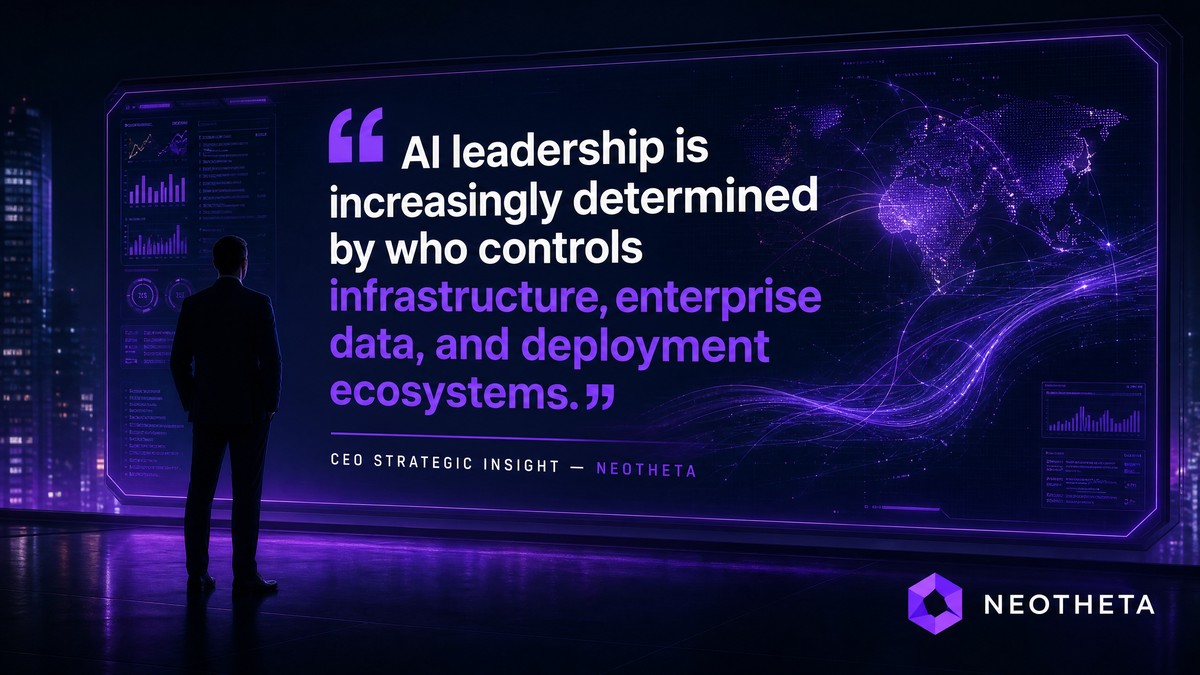
“AI leadership is increasingly determined by who controls infrastructure, enterprise data, and deployment ecosystems.”
Enterprise Relevance: This week’s developments reinforce a critical reality — competitive advantage is shifting from model access toward operational execution. Organizations that build scalable AI operating models will be positioned to capture the greatest long-term value.
This Week’s Strategic Perspective
The Next AI Advantage Will Not Come From Models
The most important signal this week is not a new model release.
It is the unprecedented level of investment flowing into AI infrastructure, governance, and enterprise operating systems.
Across the industry, leaders are realizing that AI success is becoming less about access to intelligence and more about the ability to operationalize it.
Organizations now face three strategic priorities:
- Establish governed enterprise data foundations.
- Build scalable AI operating models.
- Prepare for increasingly autonomous systems.
The next generation of market leaders will not necessarily possess the most advanced AI models. They will possess the strongest capability to integrate intelligence into every layer of the enterprise.
The future belongs to organizations that can operationalize AI safely, effectively, and at scale.
#AILeadership #EnterpriseAI #AIGovernance #AgenticAI #DigitalTransformation #FutureOfWork #EnterpriseArchitecture
— Founder & CEO, Neotheta | AI | Strategy | Product Innovation
Ready to Move Beyond AI Experimentation?
At Neotheta, we help enterprises transform AI from isolated pilots into scalable business capabilities. Whether you’re defining an AI strategy, building AI governance frameworks, modernizing data & AI platforms, developing AI-native products, or scaling agentic AI initiatives — our team helps organizations translate emerging AI technologies into measurable business outcomes.
AI Strategy · AI Governance · Product Innovation · Enterprise Transformation · AI Platform Architecture
Book a Free Strategy Call →