
🔥 AI Shifts from Models to Systems Strategy
This week in AI signals a clear transition from standalone model innovation to system-level orchestration and enterprise deployment maturity. The conversation is no longer just about bigger models — but about how AI integrates into business processes at scale.
We are seeing increasing emphasis on multi-agent systems, enterprise copilots, and domain-specific AI architectures. Enterprises are shifting from experimentation to structured adoption frameworks and ROI-driven deployments.
Infrastructure, governance, and data pipelines are becoming the real battlegrounds of competitive advantage. Regulatory scrutiny and responsible AI practices are now shaping product roadmaps — not just compliance checklists.
The gap between AI leaders and laggards is widening due to organisational readiness, not access to models. AI-native companies continue to redefine operational efficiency, forcing incumbents to rethink core workflows.
The ecosystem is evolving toward platform consolidation with modular extensibility.
The strategic question is no longer “Should we use AI?” but “Where does AI reshape our value chain?”
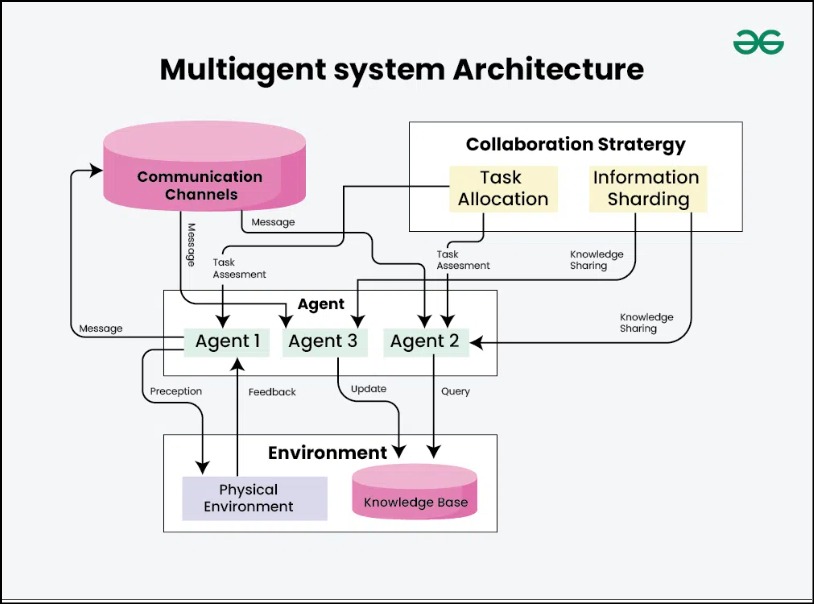
Recent research explores how multiple AI agents can collaborate to solve complex enterprise tasks. These systems move beyond single-model reasoning into distributed intelligence frameworks.
Key innovation lies in task decomposition, agent specialisation, and dynamic coordination. Early results show improved performance in complex workflows like supply chain optimisation and software engineering tasks.
Enterprise Implication: Architecturally, this introduces orchestration layers as critical infrastructure — enterprises can leverage this for automation of cross-functional processes.
Watch out for: Challenges in latency, cost, and failure handling across agents. Security risks increase due to multi-agent communication vulnerabilities. Future research will likely focus on self-healing and adaptive agent ecosystems.
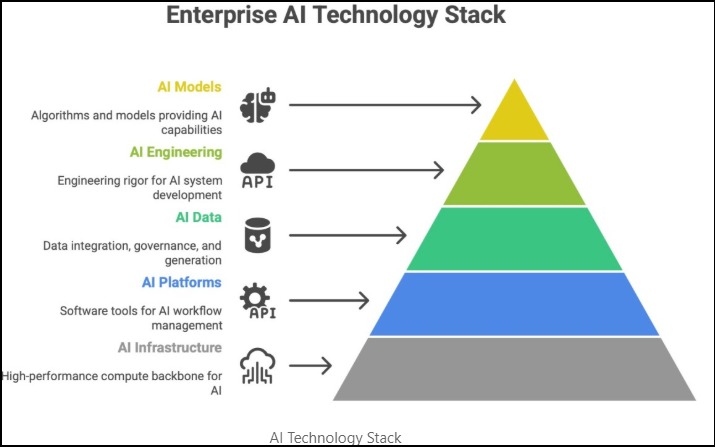
Enterprises are increasingly consolidating AI tooling into unified platforms. Fragmented tooling is being replaced by integrated AI ecosystems, with vendors positioning themselves as end-to-end AI infrastructure providers.
- Compliance requirements are driving centralised governance models
- CIOs are prioritising cost visibility and performance optimisation
- Competition is shifting from model performance to ecosystem dominance
- Legacy systems integration remains a major bottleneck
This creates lock-in risks but also simplifies enterprise adoption pathways. Organisationally, teams must align around platform-first AI strategies.
New enterprise copilots are being designed for workflow-specific augmentation. Target users include knowledge workers, analysts, and product teams — with features including contextual memory, tool integration, and domain adaptation.
USE CASES
- Financial analysis
- Engineering productivity
- Knowledge management
- Decision support
BENEFITS
- Productivity gains
- Faster decision-making
- Usage-based enterprise licensing
RISKS & COMPLIANCE
- Hallucinations and data leakage
- Strict data boundary controls required
- ROI depends on integration depth and user adoption
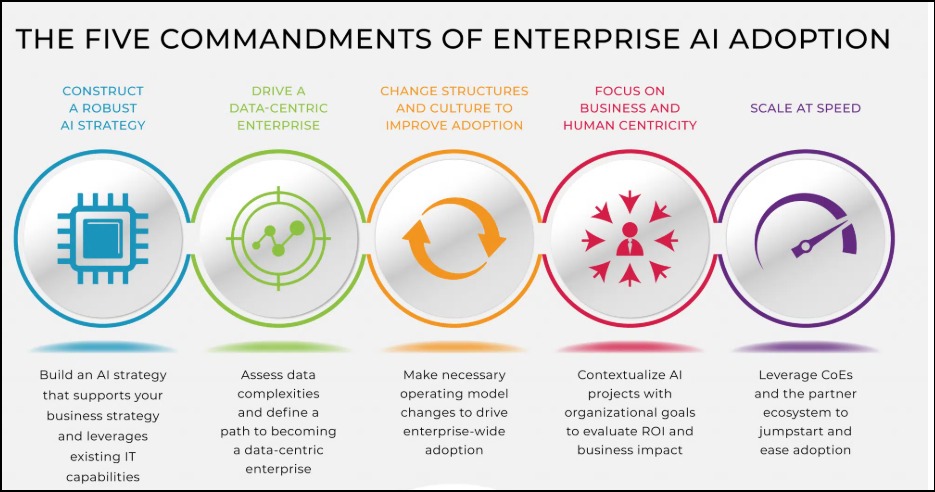
Topic: How enterprises are operationalising AI beyond pilots
Key discussion around organisational readiness and cultural change — highlighting challenges in scaling AI across departments, with emphasis on leadership alignment and data strategy maturity.
🔑 KEY INSIGHT
AI success depends more on process redesign than model selection.
Audience: CTOs, CIOs, and AI Leaders · Focus: Practical AI implementation in enterprise environments
Sessions cover architecture, governance, and deployment strategies — highlighting real-world case studies and adoption frameworks. Strategically important for organisations transitioning from pilots to scale.
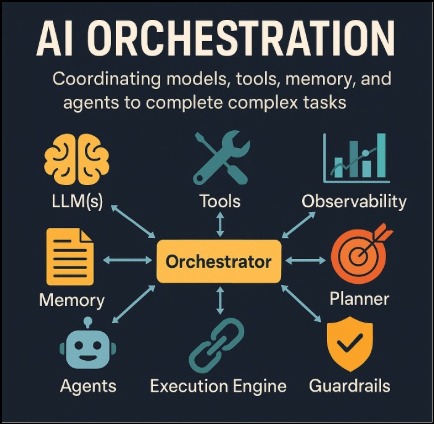
An emerging need for orchestration platforms to manage multiple AI systems is being driven by complexity in enterprise AI deployments. This impacts IT, operations, and product teams — creating opportunities for new SaaS categories and consulting services.
Watch out for: Vendor lock-in and architectural rigidity as the market consolidates.
Enterprises are redesigning workflows around AI capabilities — not just automation, but process reinvention. This impacts HR, finance, product, and engineering, unlocking significant productivity gains.
IMPACTED FUNCTIONS
- HR & Talent
- Finance & Risk
- Product Development
- Engineering Operations
OPPORTUNITIES
- Significant productivity gains
- Faster time-to-market
- Competitive differentiation
RISKS
- Requires strong change management
- Workforce readiness gaps
- Integration complexity
“The real transformation in AI is not intelligence — it’s integration.”This reflects the growing consensus that competitive advantage in AI is won at the systems and integration layer, not at the model layer.
Ready to Move Beyond AI Experimentation?
At Neotheta, we help enterprises move beyond AI experimentation to scalable, production-ready systems. If you’re rethinking your AI architecture, governance, or product strategy — let’s collaborate.
Let’s Talk →