
🚀 AI Orchestration Era Begins for Enterprises
This week marks a pivotal shift from AI capability to AI orchestration. Enterprises are no longer experimenting — they are engineering AI-driven systems. The emergence of AI agents coordinating tasks autonomously is redefining workflows, and organizations are consolidating fragmented tools into unified AI platforms.

🚀 This week marks a pivotal shift from AI capability to AI orchestration.
📊 Enterprises are no longer experimenting — they are engineering AI-driven systems.
🧠 The emergence of AI agents coordinating tasks autonomously is redefining workflows.
🏢 Organizations are consolidating fragmented tools into unified AI platforms.
⚙️ Governance, observability, and compliance are now core architecture layers.
📈 Competitive advantage is shifting toward execution velocity and system integration.
🔐 Control over enterprise data pipelines is becoming strategically critical.
🌐 AI is evolving into a full-scale enterprise operating layer.
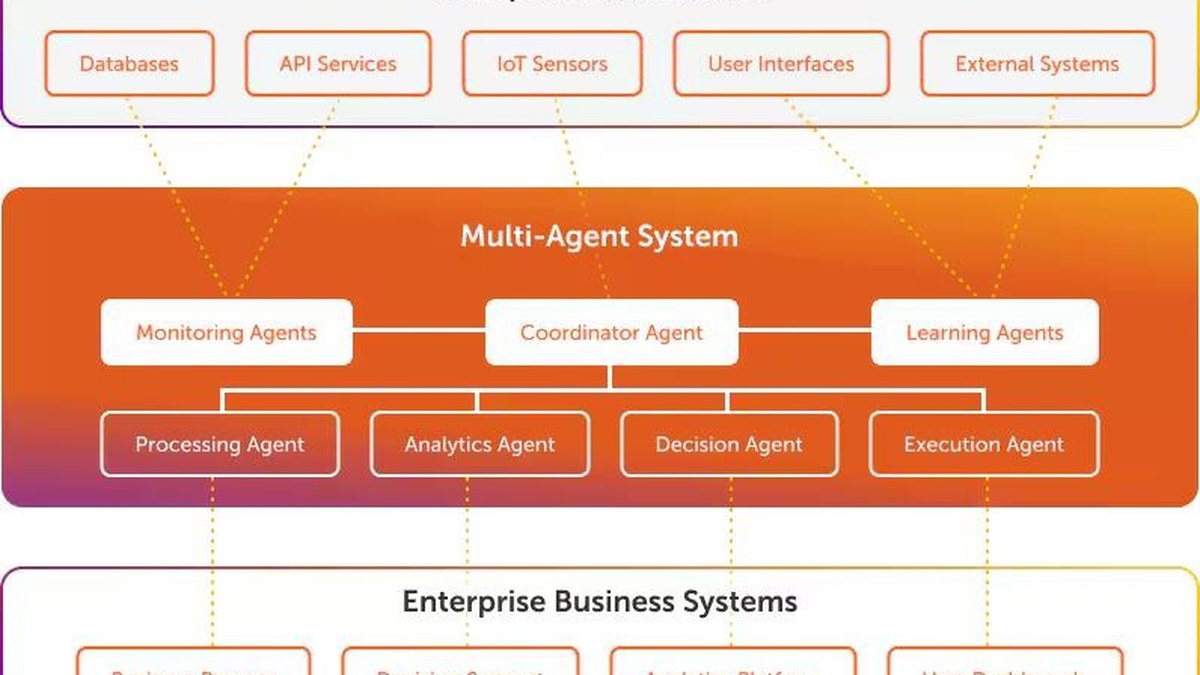
🚀 New research demonstrates structured agent hierarchies coordinating decisions.
⚙️ Agents operate across planning, execution, and validation loops.
🏗️ Introduces layered intelligence similar to enterprise system architecture.
🏢 Applications: financial forecasting, logistics optimization, decision automation.
📊 Enables scalability beyond single-model constraints.
Multi-Agent Systems
Agent Orchestration
Complex Automation
Enterprise use: Financial forecasting, logistics optimization, decision automation.
Watch out for: Challenges include interpretability, governance, and monitoring.
📈 Future: adaptive, self-optimizing agent ecosystems.
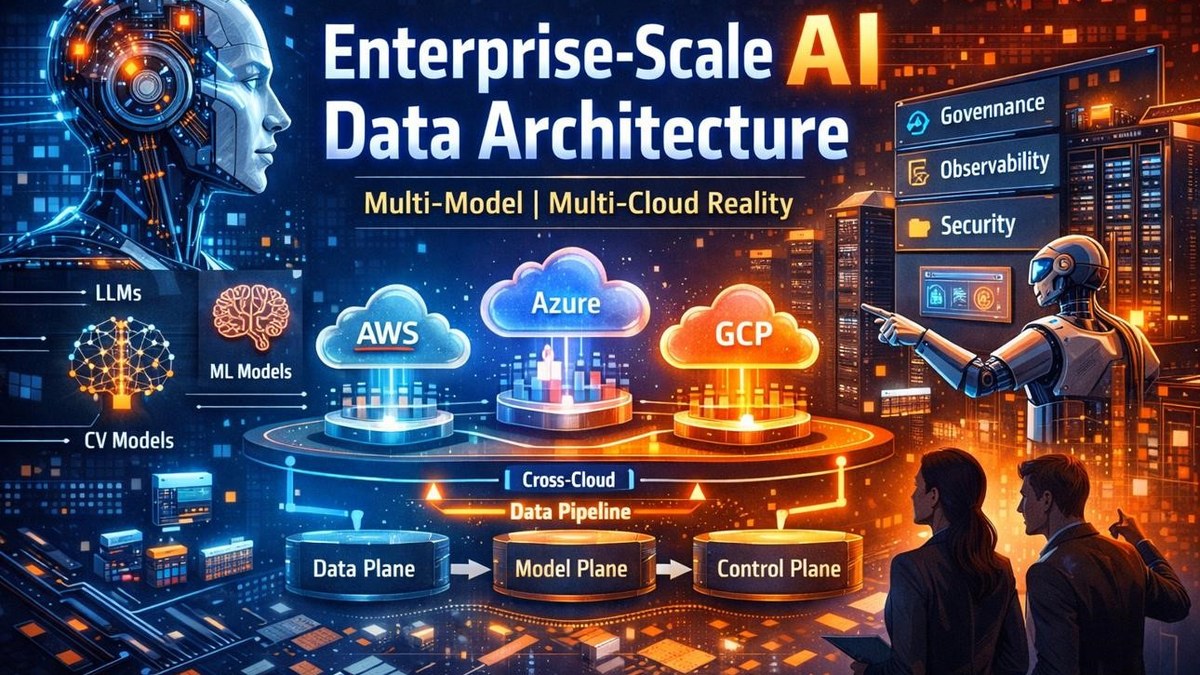
⚔️ Vendors are evolving into end-to-end AI platforms.
📦 Integrated ecosystems reduce complexity but increase lock-in.
📊 Enterprises must adopt multi-platform orchestration strategies.
- Regulatory focus on AI governance is intensifying globally
- Need for interoperable and portable architectures
- Strategic advantage lies in platform control, not model choice
- Risk: over-dependence on a single AI vendor ecosystem
📈 Strategic advantage lies in platform control, not model choice.
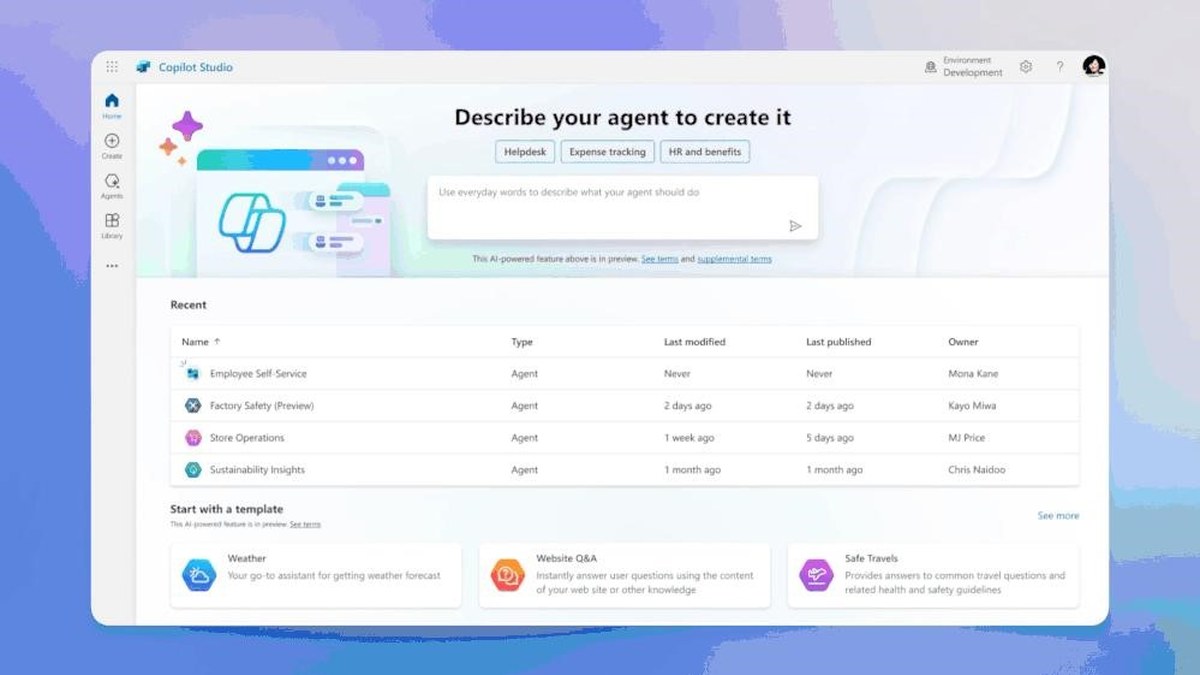
⚙️ New platforms enable end-to-end workflow automation with AI agents.
👨💼 Built for enterprise architects, product leaders, and operations teams.
✨ Features: orchestration layers, memory modules, tool integrations.
USE CASES
- Internal copilots
- Analytics pipelines
- Process automation
BENEFITS
- Reduced development cycles
- Faster ROI realization
- End-to-end workflow automation
RISKS
- Complexity in debugging and monitoring
- Requires strong data governance
- Access control challenges

Host: Caleb Silver · Guest: Gene Munster (Deepwater Asset Management)
Topic: Big Tech AI strategy, enterprise AI direction, Apple’s positioning
📅 Release Date: April 27, 2026 · ⏰ Duration: ~30 minutes · 🌐 Platform: Web / Spotify / Apple Podcasts
🔗 Listen Here (Official Source): Investopedia Express Ep. 292
📌 Why it matters:
- Explains how enterprise AI strategy is shaped by capital allocation and execution gaps
- Highlights real-world enterprise readiness vs hype cycles
🔑 KEY INSIGHT
“AI success depends on strategic execution alignment, not just innovation.”
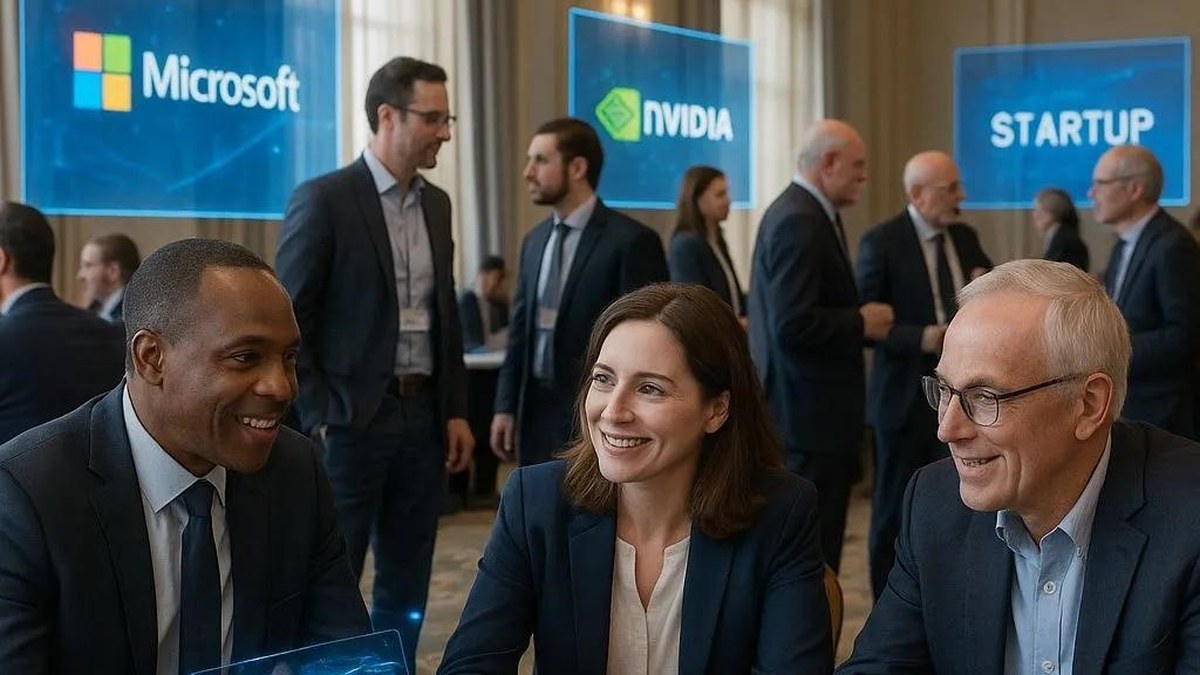
Organizer: Enterprise AI & Industry Leaders · Focus: AI-driven transformation of knowledge work
📅 Date: June 2026 · 📍 Venue: Bengaluru (Hybrid Event) · 🌐 Format: In-person + enterprise participation
🔗 Details / Coverage: Economic Times
📌 Why it matters:
- Examines AI-led transformation of enterprise roles and workflows
- Focuses on organizational redesign in the AI era
Organizer: Data Science Connect · 🌐 Format: On-demand webinar series
📌 Covers: Enterprise AI architecture, agent systems, deployment strategies

🚀 AI systems are evolving into end-to-end workflow operators.
🏢 Business units will shift toward AI-augmented execution models.
📊 Organizations will adopt AI-native structures.
OPPORTUNITIES
- Exponential productivity gains
- AI-native enterprises will emerge
- Platform-led strategies will dominate
RISKS
- Governance, accountability, and oversight challenges
- Requires auditability and control frameworks
- Execution speed will define competitive advantage
📌 AI is no longer a feature — it is infrastructure.
“Enterprises won’t compete on AI models — they will compete on how well they orchestrate intelligence.”
The AI conversation has moved beyond capability — it is now about control and orchestration. Enterprises that win will not deploy more AI — they will coordinate it better. AI is no longer a feature — it is infrastructure.
Ready to Move Beyond AI Experimentation?
At Neotheta, we help enterprises design AI-native operating systems. From orchestration to deployment — we build scalable, enterprise-grade AI systems.
