
AI Governance, Capital & AGI Readiness Accelerate
Enterprise AI is entering a new phase where strategy is becoming as important as technology.
🚀 AI leaders are no longer discussing model performance alone — they are discussing economic systems, workforce transformation, and governance.
💰 Capital markets are signaling confidence in AI’s long-term enterprise value.
🏛 AI governance is shifting from theoretical frameworks toward operational execution.
🤖 Agentic systems continue to reshape enterprise architectures.
📊 Organizations are moving from experimentation to platform-scale deployments.
🔐 Security, compliance, and resilience are becoming board-level AI priorities.
🌍 Economic and societal impacts are now central to AI roadmaps.
This week’s AI Doses focuses on the strategic signals enterprise leaders should be watching closely.
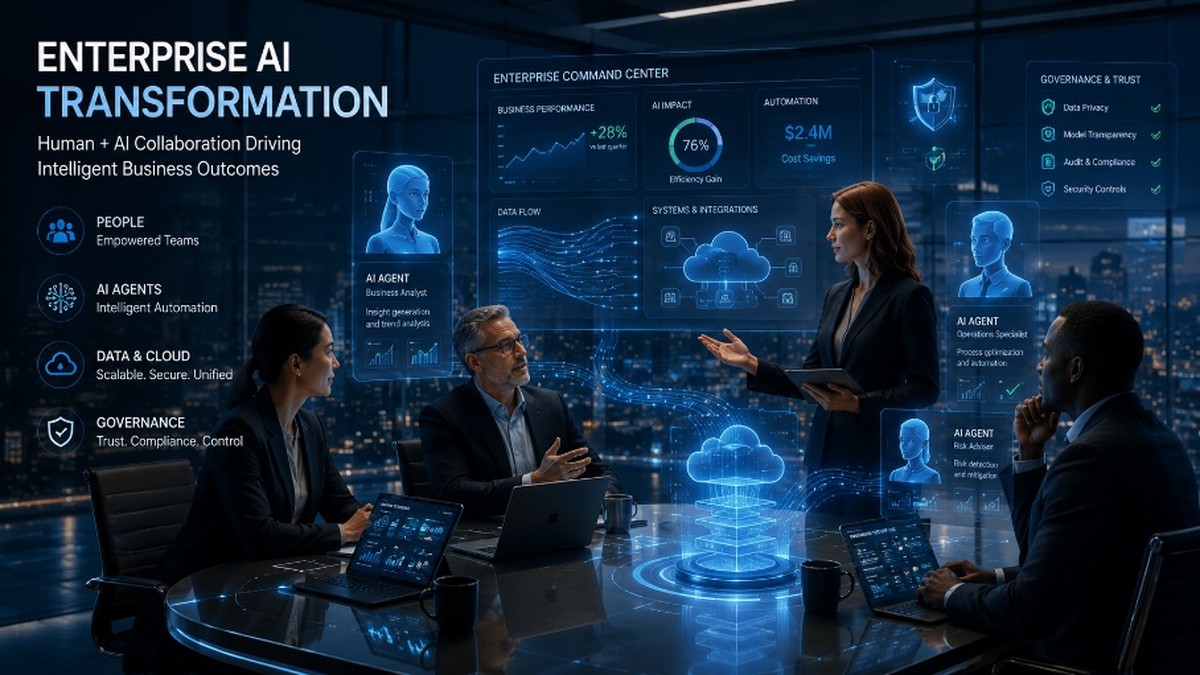
Breakthrough Research
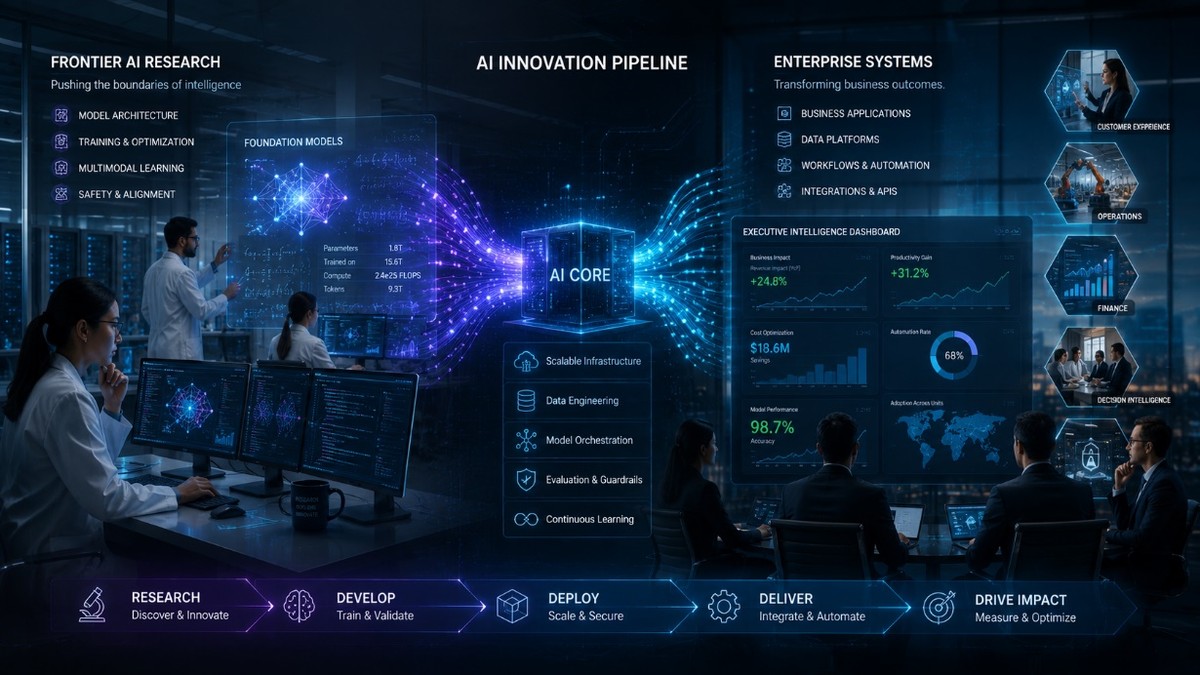
3.1 OpenAI Foundation Launches $250M Economic Futures Initiative
Problem Addressed: As AI adoption accelerates, enterprises and governments face uncertainty around workforce transformation, productivity measurement, and economic value distribution.
Technical Innovation: The OpenAI Foundation announced a $250 million commitment dedicated to research, partnerships, grants, and programs focused on understanding and shaping economic outcomes in the age of AI.
Architecture Implications: Organizations may need AI operating models that integrate workforce analytics, skills intelligence, and economic impact measurement into enterprise platforms.
Enterprise Relevance: This signals that AI deployment discussions are expanding beyond technology teams into HR, finance, workforce planning, and public policy functions.
Future Direction: Expect increased focus on workforce transition frameworks, AI productivity measurement, human-AI collaboration metrics, and economic impact governance.
3.2 Anthropic Moves Toward IPO
Problem Addressed: Frontier AI development requires unprecedented capital investment in infrastructure, research, and deployment ecosystems.
Technical Innovation: Anthropic confidentially submitted a draft S-1 registration statement to the U.S. SEC, positioning itself for a future public offering.
Architecture Implications: The move reflects the increasing importance of AI infrastructure economics, model operations, and enterprise-scale deployment capabilities.
Enterprise Relevance: A public Anthropic would increase transparency around AI business models, infrastructure economics, enterprise AI adoption metrics, and competitive positioning versus OpenAI and Google.
Future Direction: Expect increased scrutiny of AI revenue models, compute efficiency, enterprise adoption metrics, and governance frameworks.
3.3 DeepMind Warns of Accelerating AGI Timelines
Problem Addressed: Organizations continue planning AI adoption on traditional technology timelines while frontier labs suggest far more rapid capability advancement.
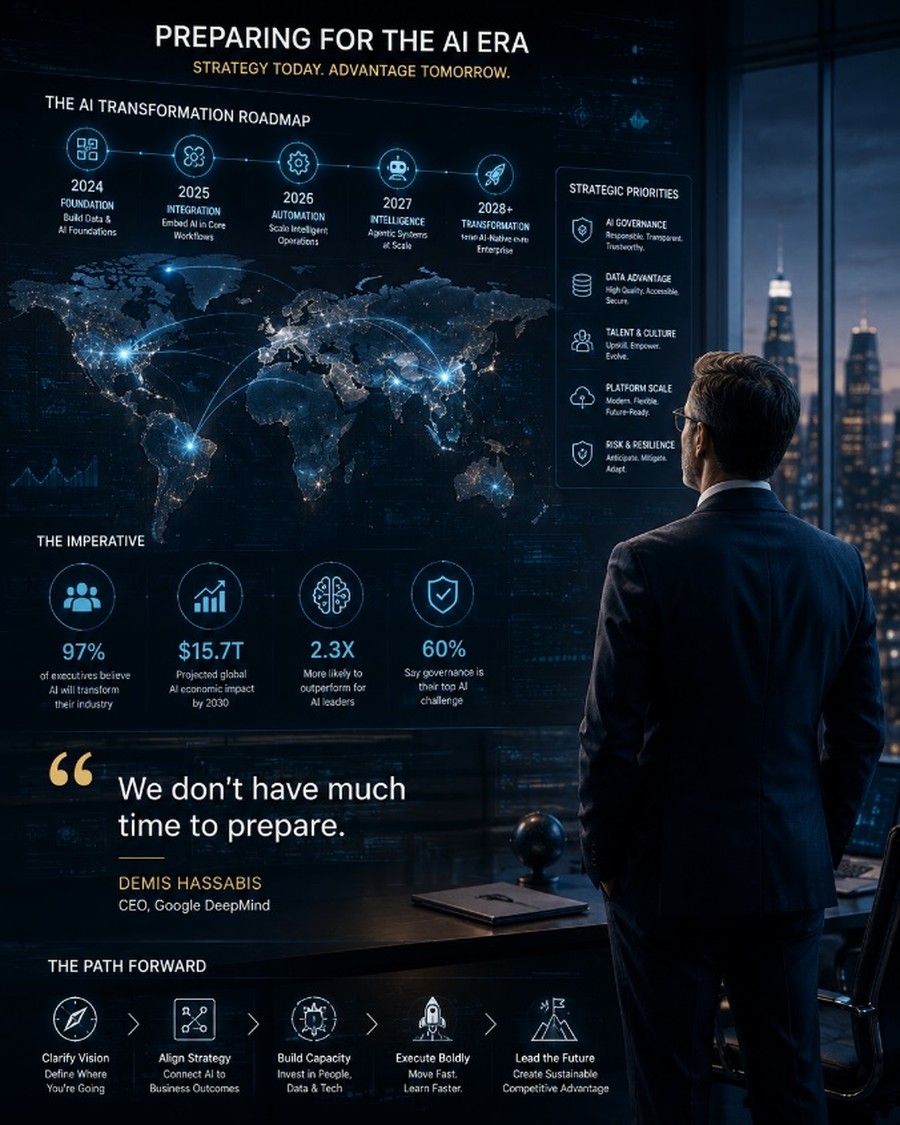
Technical Innovation: Google DeepMind CEO Demis Hassabis stated that AGI-like capabilities could emerge around 2029–2030 and emphasized limited preparation time.
Architecture Implications: Enterprise architecture teams should begin evaluating agent-native operating models, autonomous workflow orchestration, AI governance layers, and human oversight frameworks.
Enterprise Relevance: The strategic question is no longer whether AI becomes core infrastructure — but how quickly organizations can adapt.
Future Direction: Companies that invest early in AI operating models may establish significant competitive advantages.
Industry & Strategy Intelligence
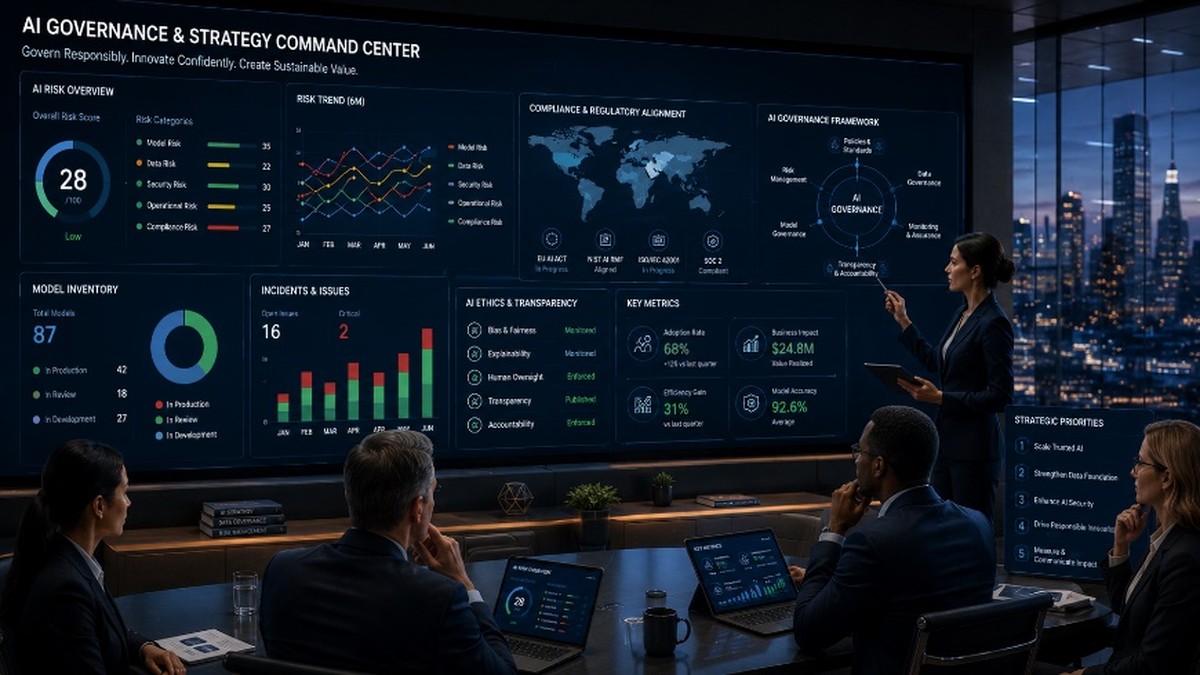
AI Strategy Is Becoming Economic Strategy
Three developments this week point toward a broader trend:
- OpenAI is investing in economic impact research.
- Anthropic is preparing for public markets.
- DeepMind is warning about accelerated AI timelines.
Industry Impact: AI is transitioning from innovation programs to foundational business infrastructure.
Adoption Barriers:
- Governance maturity
- Data readiness
- Workforce adaptation
- Change management
Organizational Implications: Successful firms will align technology strategy, workforce strategy, data strategy, and capital allocation.
Tools, Products & Platform Spotlights
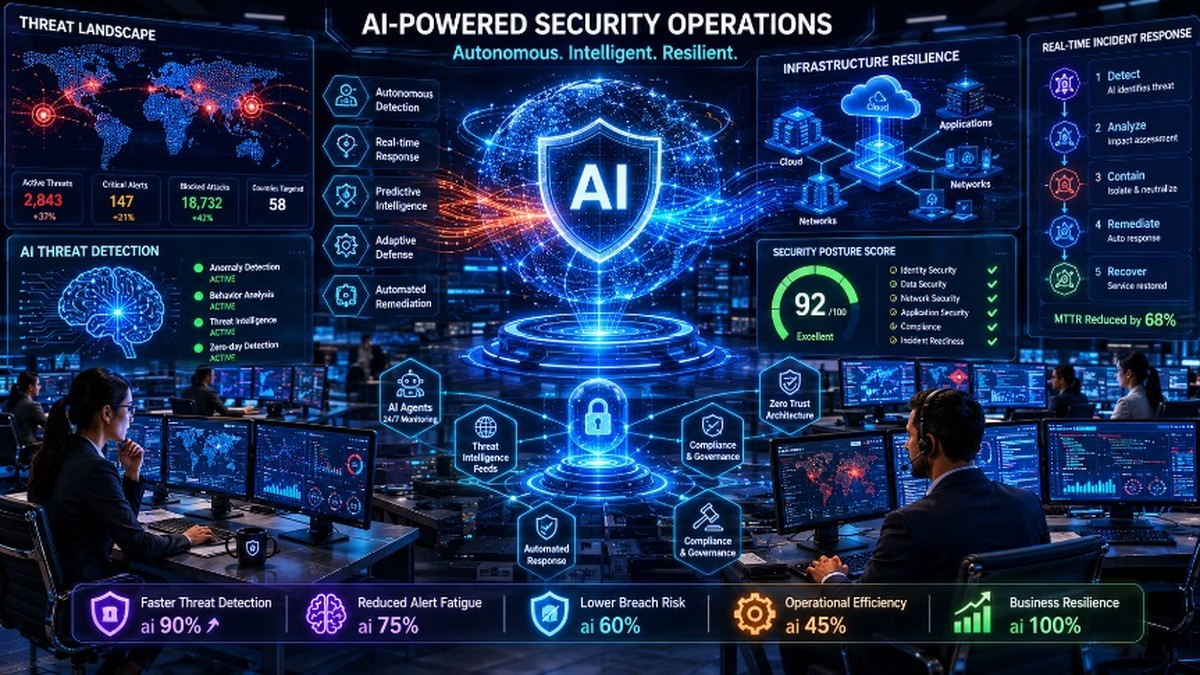
Anthropic Project Glasswing Expansion
What It Does: Project Glasswing leverages advanced AI systems to identify and mitigate software vulnerabilities.
Target Audience:
- Governments
- Critical infrastructure operators
- Security teams
- Enterprise platform leaders
Enterprise Use Cases: Vulnerability management, security automation, infrastructure resilience, and risk reduction.
Benefits: Faster threat identification, increased security coverage, reduced operational burden.
Risks: Governance requirements, AI-generated false positives, security workflow integration complexity.
Compliance Considerations: Organizations should maintain human review, audit trails, and security governance oversight.
Pricing: Not publicly disclosed.
Podcasts Worth Your Time
Human-Centered AI Development Strategies for CPG Leaders
A widening gap has emerged between the speed of AI innovation and the ability of large enterprises to deploy it responsibly. Shaje Ganny, Digital Transformation Director at Procter & Gamble, explores how organizations can close this gap through responsible scaling, governance, and human-centered design.
Enterprise AI AI Governance Responsible AI
The Pricing Shift Reshaping Enterprise AI Spend
The rapid shift from seat-based licensing to hybrid and consumption-based AI pricing has made technology spend significantly harder for enterprises to predict and control. Adam Mansfield, Practice Leader at UpperEdge, examines how these new pricing models create financial exposure for buyers.
AI Economics Enterprise Spend AI Strategy
AI Strategy in Practice
Explores four real-world AI strategy case studies and examines why AI literacy, governance, and workforce training matter more than the latest tools. Highly relevant for enterprise leaders navigating AI adoption at scale.
AI Strategy AI Literacy Workforce
Webinars & Events
AI Con Seattle 2026
More than 50 talks covering LLMs, AIOps, MLOps, AI application development, and data strategy. Speakers from Microsoft, Google, and GM. Includes a dedicated AI Leadership Summit track for executives and senior leaders.
LLMs MLOps AI Leadership Data Strategy
Why 95% of AI Pilots Fail & How the 5% Succeed
A practical webinar examining the most common failure modes in enterprise AI pilots and the proven strategies that successful organizations use to move from pilot to production. Ideal for AI program managers and enterprise architects.
AI Pilots Enterprise AI AI Adoption
The Higher Education AI Reality Check: From Global Insights to Institutional Action
IREX examines how institutions and enterprises can translate global AI insights into practical, actionable AI strategies. Covers governance, adoption frameworks, and workforce readiness for the AI era.
AI Governance AI Strategy Workforce Readiness
From RAG to Agentic RAG & Graph RAG: Enterprise Deployment Strategies
A live deep-dive breaking down the full journey from basic Retrieval-Augmented Generation to Agentic RAG and Graph RAG — covering enterprise deployment strategies, architectural considerations, and production readiness.
RAG Agentic AI Enterprise Architecture
Future Trends & Market Opportunities
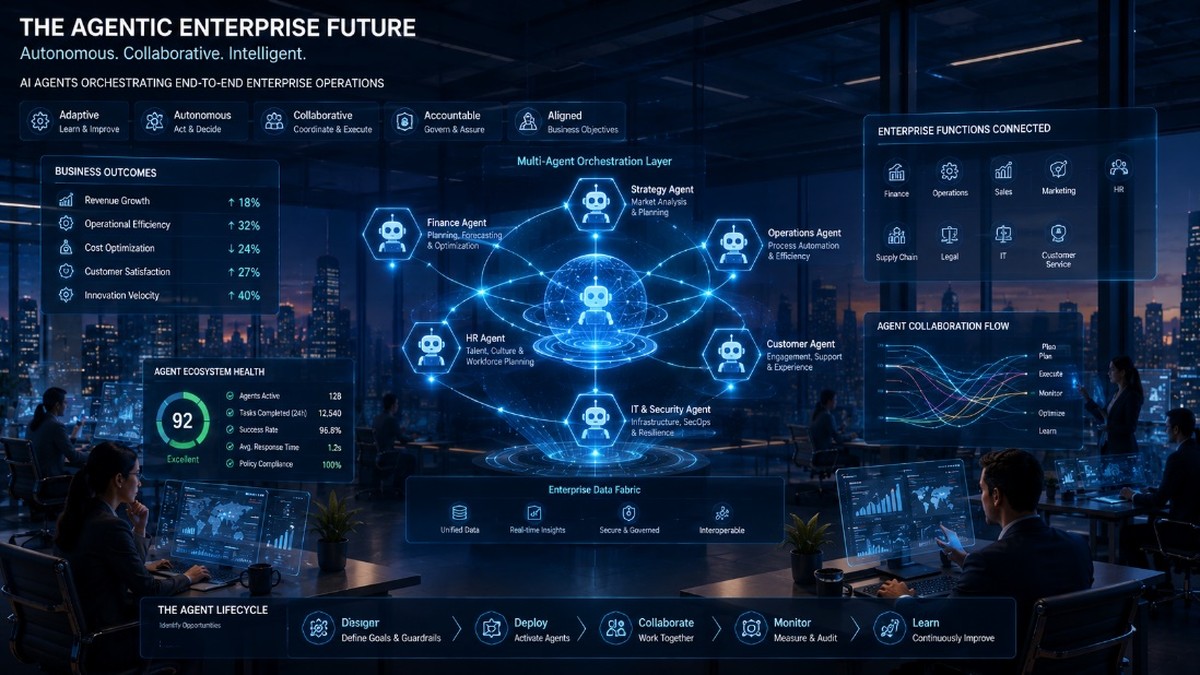
AI Economic Operating Systems
Why Now: AI is beginning to affect workforce planning, productivity measurement, and value creation.
Enterprise Preparation: Build AI governance and workforce transformation programs.
Revenue Opportunities: AI-enabled services, workforce augmentation, process automation.
Risks: Skills displacement, governance gaps, adoption resistance.
Agentic Enterprise Architectures
Why Now: Agent-based systems are becoming practical deployment models.
Enterprise Preparation: Develop agent governance, human oversight mechanisms, and multi-agent orchestration strategies.
Impacted Functions: Operations, IT, Finance, Customer Experience.
Risks: Autonomous errors, security vulnerabilities, compliance challenges.
Expert Quote of the Week
“We don’t have much time to prepare.”
Enterprise Relevance: The statement reflects the growing urgency around organizational readiness, governance, workforce transformation, and AI operating models. Enterprise leaders should treat this not as a warning, but as a strategic call to accelerate their AI readiness programs.
This Week’s Strategic Perspective
The most important signal this week is not a model launch.
It is the convergence of capital, governance, and economic planning around AI.
When OpenAI invests in economic futures, Anthropic prepares for public markets, and DeepMind warns of compressed timelines, leaders should recognize a broader shift.
AI is evolving from a technology initiative into a foundational business capability.
The organizations that win over the next 24 months will not necessarily possess the best models. They will possess the best operating systems for adopting them.
That means aligning data, talent, governance, security, and platform strategy around a common transformation agenda.
Competitive advantage will increasingly come from organizational adaptability rather than technical experimentation.
Executives should focus on building AI-ready institutions, not isolated AI projects.
The next phase of enterprise AI belongs to organizations capable of operationalizing intelligence at scale.
#AILeadership #EnterpriseAI #AITransformation #DigitalLeadership #CTOStrategy #FutureOfWork #AIGovernance
— Founder & CEO, Neotheta | AI | Strategy | Product Innovation
Ready to Build Your AI Advantage?
At Neotheta, we help organizations move beyond AI experimentation toward enterprise-scale transformation. Whether you’re defining an AI strategy, modernizing your data platform, implementing AI governance, or building AI-native products — our team helps convert emerging technology into measurable business outcomes.
AI Strategy · AI Governance · Product Innovation · Enterprise Transformation · AI Platform Architecture
