
🏗️ AI Coordination Platforms Are Reshaping Enterprises
Enterprise AI is evolving from isolated automation into coordinated intelligence ecosystems. Organizations are rapidly integrating AI across workflows, platforms, and operational decision systems. AI agents are becoming collaborative execution layers rather than standalone assistants — and enterprises are redesigning business operations around orchestration-first architectures.

🚀 Enterprise AI is evolving from isolated automation into coordinated intelligence ecosystems.
📊 Organizations are rapidly integrating AI across workflows, platforms, and operational decision systems.
🧠 AI agents are becoming collaborative execution layers rather than standalone assistants.
🏢 Enterprises are redesigning business operations around orchestration-first architectures.
⚙️ AI governance, traceability, and interoperability are now foundational requirements.
📈 Competitive advantage increasingly depends on how effectively enterprises coordinate AI systems at scale.
🔐 Data sovereignty and explainability are becoming board-level priorities.
🌐 The enterprise stack is shifting toward a real-time AI coordination layer.
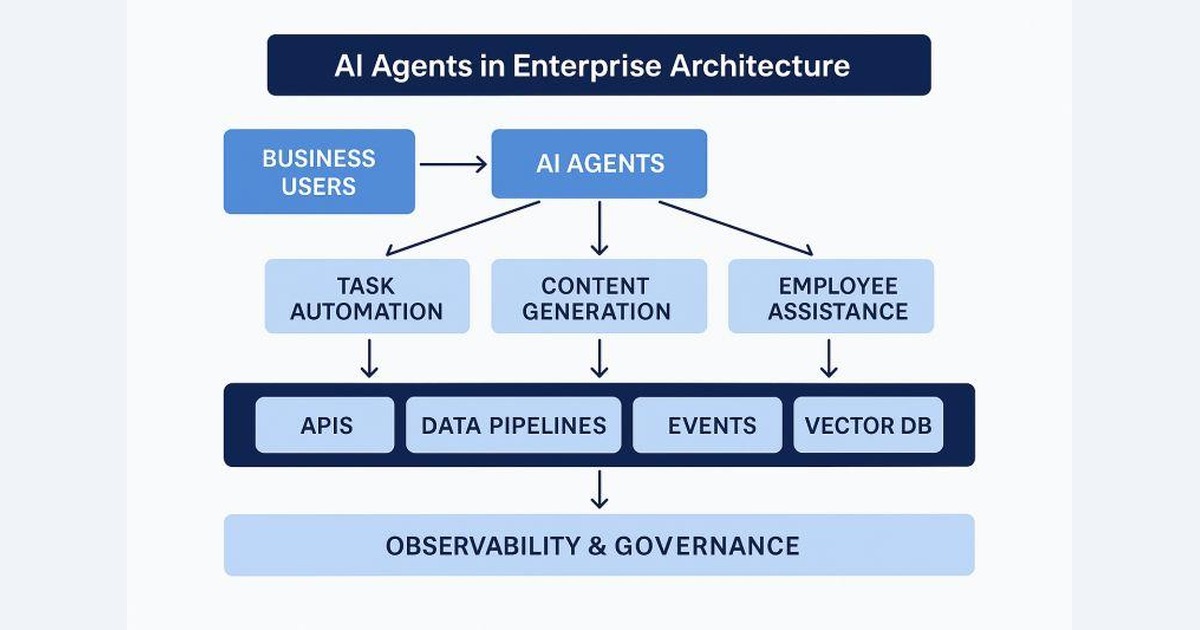
🚀 Researchers are building AI systems capable of dynamically coordinating multiple reasoning agents without fixed workflows.
⚙️ These architectures combine adaptive planning, memory persistence, and autonomous validation loops.
🏗️ This represents a shift from deterministic automation toward adaptive enterprise intelligence networks.
📌 Enterprise Applications:
- AI-assisted operations centers
- Dynamic resource optimization
- Real-time decision coordination
- Intelligent infrastructure management
🏢 Enterprises are beginning to evaluate orchestration frameworks as core infrastructure.
⚠️ Major concerns remain around explainability, observability, and governance oversight.
📈 Future enterprise software may increasingly resemble distributed intelligence ecosystems.
📚 Persistent AI memory systems are evolving into enterprise-wide coordination layers.
⚙️ AI systems can now maintain historical and contextual understanding across business workflows.
🏢 This enables continuity across support, operations, analytics, and strategic planning functions.
📊 AI memory layers are becoming critical for long-term enterprise reasoning and personalization.
🔐 Data lifecycle management and retention governance remain major enterprise challenges.

⚔️ Enterprises are increasingly shifting focus from individual AI tools toward interoperable orchestration ecosystems.
📦 AI coordination layers are becoming essential for connecting models, workflows, memory systems, and governance frameworks.
📊 Multi-platform AI strategies are emerging as the preferred enterprise approach.
🏗️ Organizations are prioritizing flexible AI operating models over single-vendor dependency.
🔐 Governments and regulators continue increasing scrutiny around explainability and compliance.
📈 Enterprises capable of orchestrating across ecosystems will scale AI faster and more sustainably.

⚙️ Vendors are introducing AI coordination platforms focused on orchestrating agents, workflows, and enterprise systems in real time.
✨ Key capabilities include:
- Multi-agent orchestration
- AI memory management
- Governance visibility
- Workflow automation
- Real-time analytics integration
🏢 Enterprise use cases span operations, customer service, planning, and compliance management.
📈 Organizations are using orchestration layers to improve scalability and operational resilience.
⚠️ Debugging distributed AI workflows remains a technical challenge.
🔐 Governance tooling is becoming a competitive differentiator.
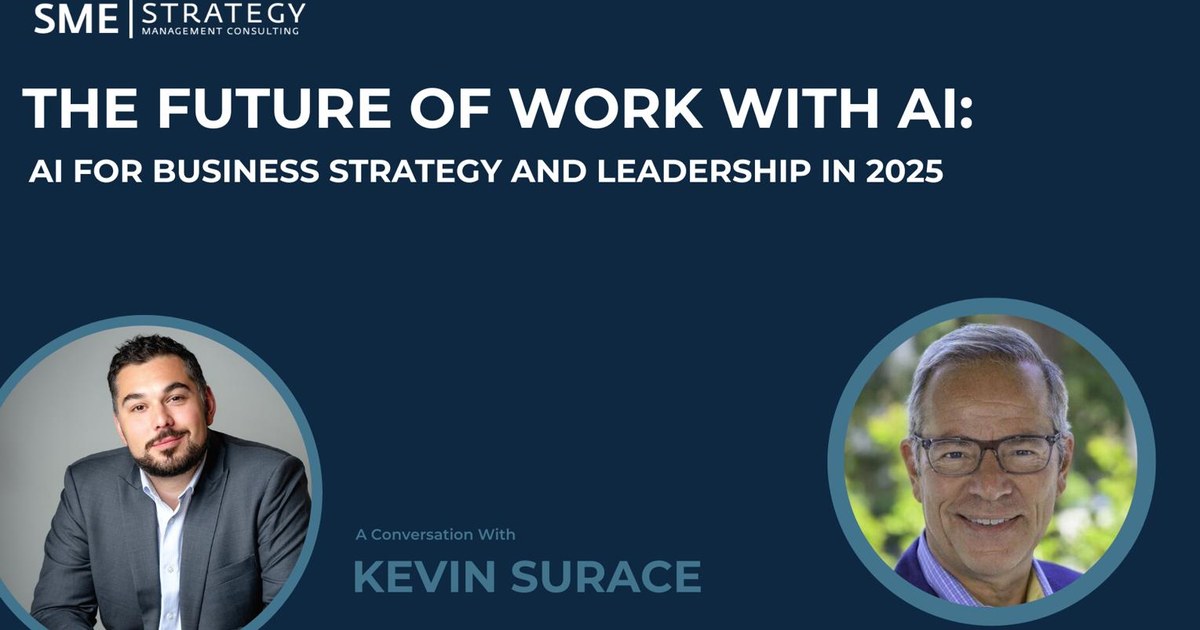
🧠 Topic: AI agents, enterprise AI adoption, orchestration, and future AI systems.
🔗 Official Podcast Hub: https://www.eye-on.ai/podcast
📌 Why enterprise leaders should listen:
- Covers enterprise-scale AI deployment challenges
- Strong focus on AI infrastructure, operationalization, and governance
- Combines technical depth with strategic business insights
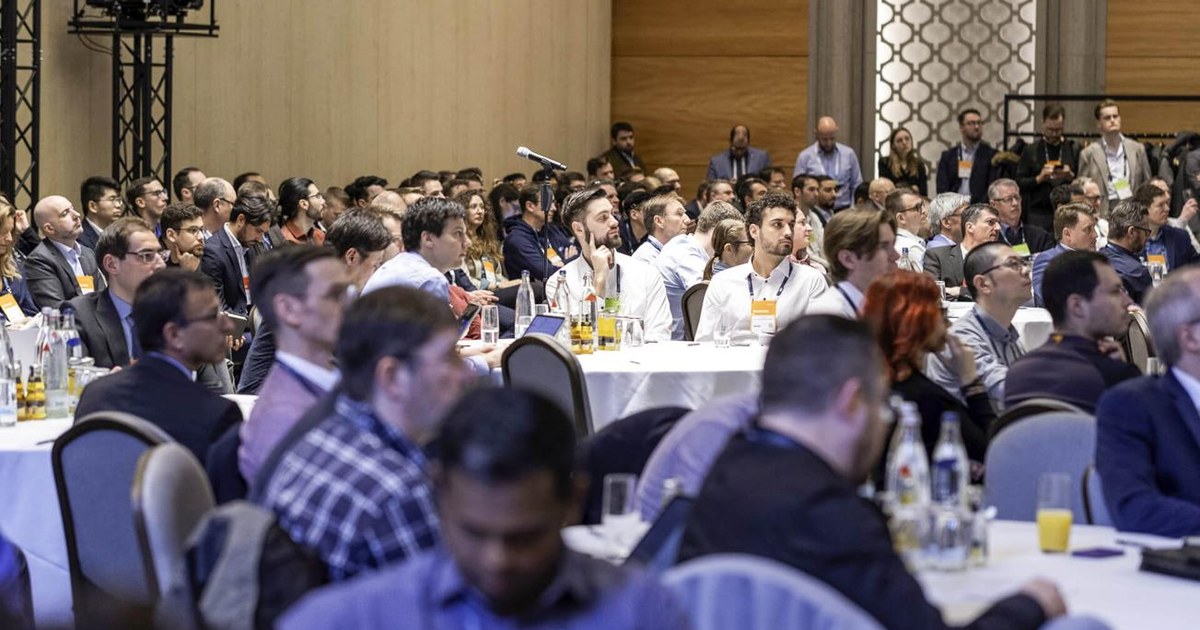
🧠 Focus: Enterprise AI, hybrid cloud, AI governance, automation.
🔗 Official Event Hub: https://www.ibm.com/events/think
📌 Why it matters:
- Enterprise-grade AI transformation discussions
- Hybrid cloud + AI orchestration strategies
- Real-world operational AI deployment insights
🧠 Focus: AI infrastructure, enterprise data intelligence, generative AI.
🔗 Official Event Hub: https://www.databricks.com/dataaisummit
📌 Why it matters:
- Covers enterprise-scale AI deployment architectures
- Strong focus on orchestration, data intelligence, and governance
- Includes sessions from enterprise AI leaders and practitioners

🚀 Enterprises are evolving toward AI-native coordination models where AI systems actively manage operational workflows.
📊 AI agents will increasingly coordinate:
- Workflow execution
- Operational decisions
- Resource optimization
- Enterprise knowledge systems
🏢 Organizations will transition from fragmented automation toward orchestrated AI ecosystems.
💰 Significant gains are expected in operational efficiency and strategic responsiveness.
⚠️ Governance, transparency, and trust frameworks will determine long-term adoption success.
📈 AI-native coordination models will become structural competitive advantages.
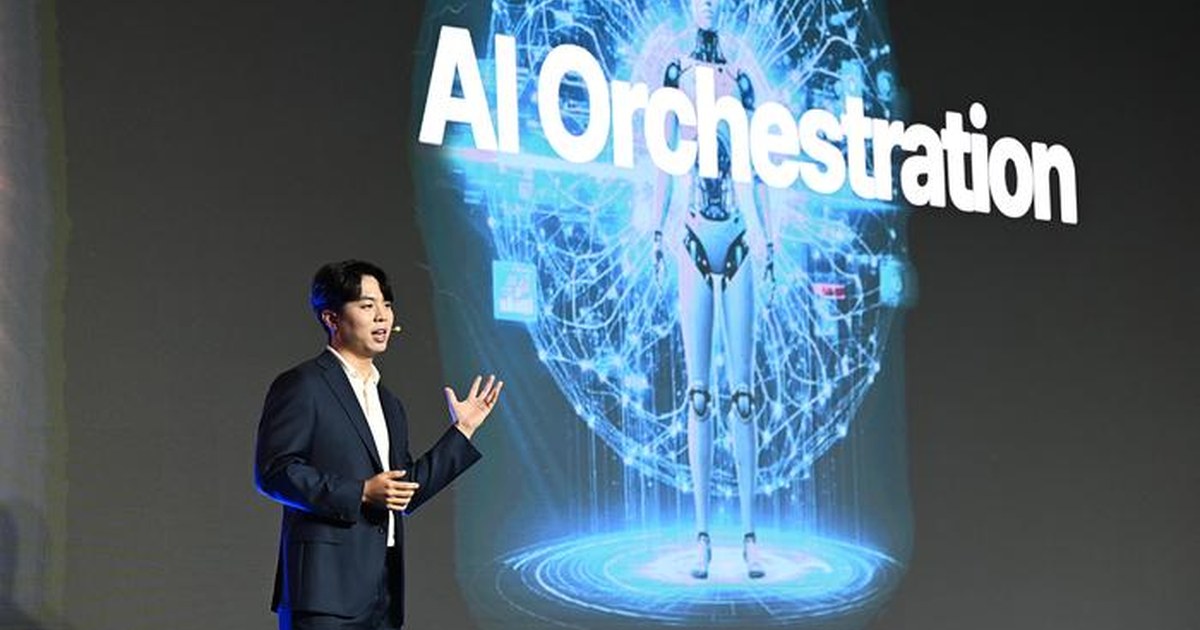
“The enterprises of the future will not merely automate workflows — they will orchestrate intelligence in real time.”📌 Reflects the growing shift toward AI-native enterprise coordination systems.
🚀 Ready to Build Your AI Coordination Architecture?
At Neotheta, we help enterprises architect scalable AI coordination systems designed for operational transformation. From orchestration to governance — we build AI ecosystems aligned with enterprise execution at scale.
📩 Let’s Design Your AI-Native Operating Architecture →