
🔥 AI Agents Scale Up & Enterprise AI Matures
This week signals a transition from AI experimentation to enterprise-scale execution. Organizations are no longer piloting AI — they are operationalizing it. Multi-agent systems, persistent memory models, and autonomous enterprise functions are reshaping how businesses compete and operate.

🚀 This week signals a transition from AI experimentation to enterprise-scale execution.
📊 Organizations are restructuring workflows, talent models, and technology stacks around AI.
🧠 Research is converging on multi-agent coordination, persistent memory, and autonomous decision-making.
🏢 Platform consolidation is accelerating — enterprises must navigate vendor strategies carefully.
🔐 Governance, compliance, and ethical AI frameworks are becoming non-negotiable.
📈 Those who act now are building compounding intelligence advantages across functions.
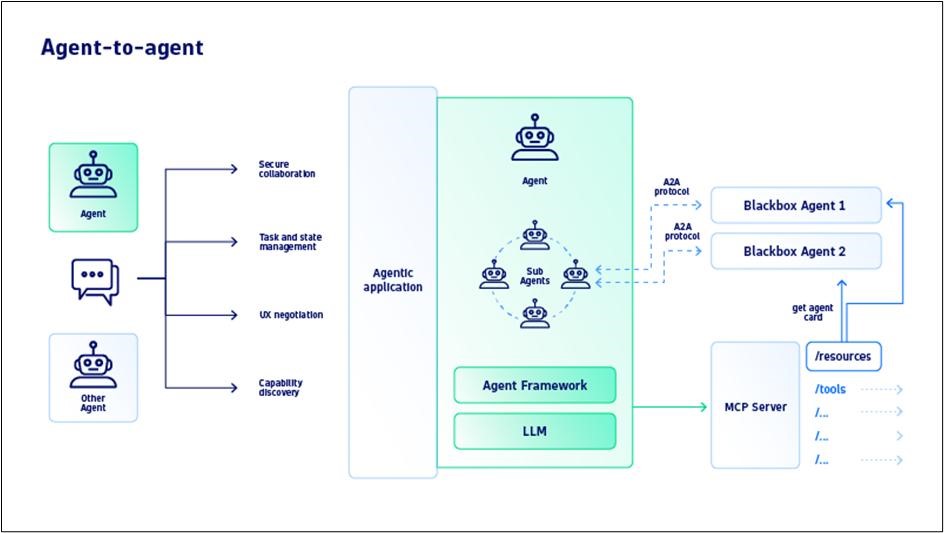
🚀 Recent research demonstrates AI systems where multiple agents collaborate to solve complex problems.
⚙️ Each agent specializes (planning, execution, validation), enabling modular intelligence.
📊 The novelty lies in shared memory and communication layers between agents.
🏗️ Architecturally, this resembles microservices for intelligence systems.
Agent Orchestration
Distributed Intelligence
Modular AI
Enterprise use: Financial modeling, operations optimization, decision automation.
Watch out for: Challenges include trust, debugging, and system transparency. Future systems may evolve into self-organizing agent ecosystems.
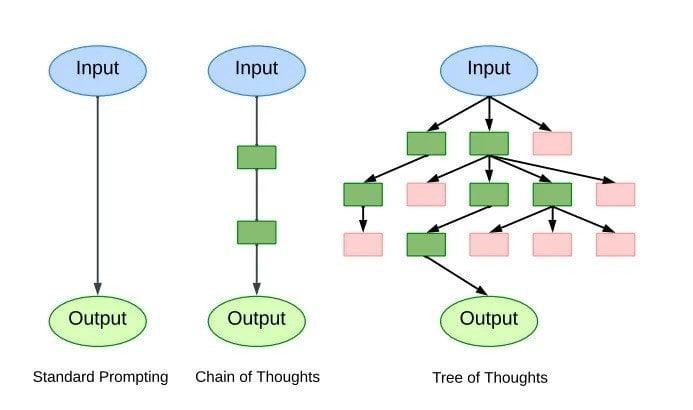
📚 New approaches extend AI beyond stateless interactions.
⚙️ Systems now maintain long-term context across sessions.
🏢 Enterprise relevance: CRM, knowledge management, and decision continuity.
Stateful AI
Context Continuity
Knowledge Management
Watch out for: Data governance and privacy challenges across long-lived sessions.
📈 Future: AI systems that “remember” like employees — enabling true organizational intelligence.

⚔️ Tech giants are consolidating AI capabilities into unified ecosystems.
📦 Bundled offerings reduce friction but increase vendor dependency risks.
📊 Enterprises must rethink multi-vendor AI strategies.
- Compliance and regulatory frameworks are evolving rapidly
- Organizations must design resilient, portable architectures
- Competitive edge lies in platform orchestration, not model selection
- Risk: over-dependence on a single AI vendor ecosystem
📈 Opportunity: leverage platform ecosystems for faster deployment while maintaining architectural flexibility.
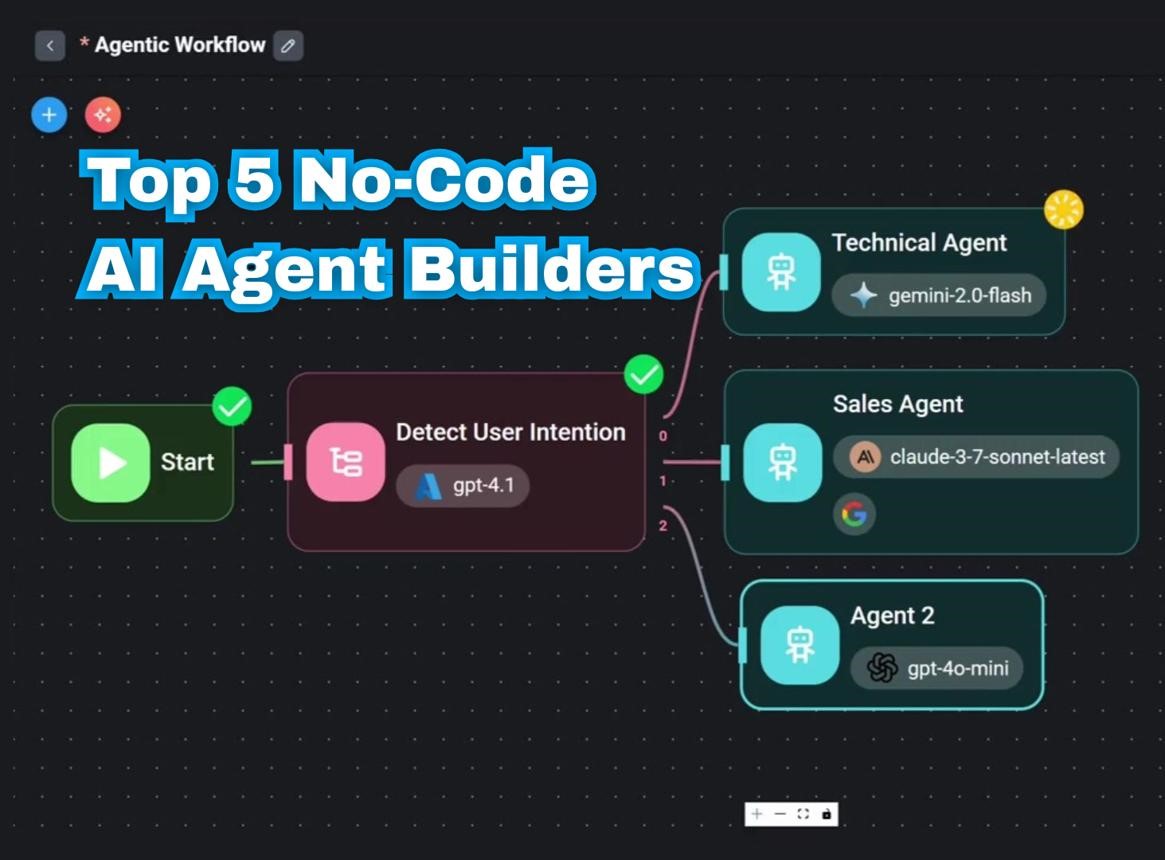
⚙️ Tools enabling autonomous workflows without heavy coding are emerging rapidly.
👨💼 Target users: product teams, operations leaders, enterprise architects.
✨ Features: task orchestration, memory layers, tool integrations.
USE CASES
- Customer support automation
- Internal copilots
- Analytics workflows
BENEFITS
- Faster deployment
- Reduced engineering effort
- Usage-based enterprise pricing
RISKS
- Debugging complexity
- Governance gaps
- Data security depends on integration architecture

Host: Andreessen Horowitz (a16z Podcast) · Platform: Spotify, Apple Podcasts, Web
Topic: How AI is reshaping enterprise workflows, decision-making, and productivity
📅 Latest Episode Release: Updated weekly · ⏰ Duration: ~30–45 minutes
🔗 Listen Here (Official Source): a16z.com/podcasts/
📌 Why it matters for enterprise leaders:
- Breaks down how leading companies are operationalizing AI at scale
- Focuses on real-world implementation, not theory
- Covers org design, talent strategy, and execution models
🔑 KEY INSIGHT
“AI ROI is driven by workflow redesign, not just tool adoption.”

Organizer: Google Cloud · Audience: CTOs, AI Leaders, Data Architects
🧠 Focus: Enterprise AI, Generative AI, MLOps, Data Platforms
📅 Schedule: Continuously updated (multiple sessions weekly) · 🌐 Venue: Virtual / Hybrid
🔗 Register / View Upcoming Events: cloud.google.com/events
📌 Why it’s strategically important:
- Direct insights into production-grade enterprise AI architectures
- Covers real deployment patterns, governance, and scaling challenges
- Led by Google engineers & enterprise practitioners
Organizer: NVIDIA · Audience: AI engineers, enterprise architects, researchers
🧠 Focus: AI infrastructure, LLMs, AI agents, accelerated computing
📅 Upcoming Sessions: Ongoing (on-demand + scheduled events) · 🌐 Venue: Virtual + On-demand
🔗 Access Sessions / Register: nvidia.com/gtc/
📌 Why it matters:
- Deep dive into AI infrastructure powering enterprise systems
- Covers cutting-edge developments in agents and LLM scaling
- Strong focus on performance, cost optimization, and deployment
🚀 AI is moving toward managing end-to-end workflows autonomously.
🏢 Functions impacted: HR, finance, operations, customer service.
📊 Enterprises will shift toward AI-augmented organizational structures.
IMPACTED FUNCTIONS
- Operations & Supply Chain
- HR & Talent
- Finance & Risk
- Customer Service
OPPORTUNITIES
- Massive efficiency gains and cost reductions
- Early adopters gain structural competitive advantage
- New AI-native business models emerge
RISKS
- Accountability & governance concerns
- Ethical oversight requirements
- Requires advanced monitoring and audit layers
“The real value of AI is not intelligence — it’s orchestration.”
This reflects the shift from standalone models to integrated enterprise systems. Competitive advantage in AI is won at the orchestration and integration layer, not at the model layer.
Ready to Move Beyond AI Experimentation?
At Neotheta, we help enterprises move from AI pilots to production-scale systems. From architecture to deployment — we build AI that delivers measurable ROI.
