
🤖 AI Agents Are Becoming Enterprise Decision Systems
Enterprise AI is entering a new phase: decision intelligence orchestration. Organizations are rapidly evolving from workflow automation toward AI-driven operational decision systems. AI agents are no longer just executing tasks — they are coordinating complex, multi-step decisions across enterprise functions. The shift from AI tools to AI decision systems is redefining how enterprises operate, compete, and scale.

🚀 Enterprise AI is entering a new phase: decision intelligence orchestration.
📊 Organizations are rapidly evolving from workflow automation toward AI-driven operational decision systems.
🧠 AI agents are no longer just executing tasks — they are coordinating complex, multi-step decisions across enterprise functions.
🏢 Decision intelligence is becoming the new frontier of enterprise AI deployment.
⚙️ AI systems are being embedded into operational workflows to drive real-time decision-making at scale.
📈 Enterprises that deploy decision-grade AI will achieve compounding execution advantages.
🔐 Governance, auditability, and explainability are now core requirements for enterprise AI decision systems.
🌐 The shift from AI tools to AI decision systems is redefining how enterprises operate, compete, and scale.
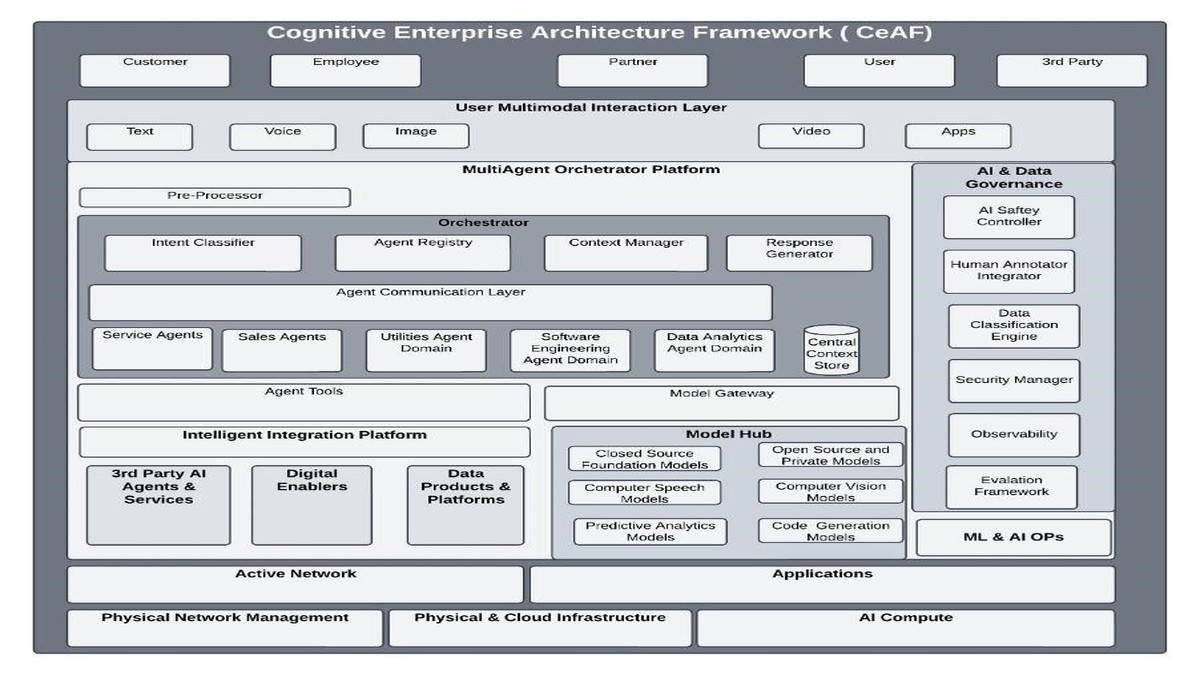
🚀 Researchers are developing AI systems capable of autonomous multi-step reasoning across interconnected workflows.
⚙️ These architectures combine planning agents, memory layers, and validation loops.
🏗️ Systems can now decompose complex enterprise problems into coordinated sub-tasks and resolve them autonomously.
📌 Enterprise Applications:
- Autonomous financial reporting and reconciliation
- Multi-step supply chain decision orchestration
- AI-driven compliance monitoring and remediation
⚠️ Key challenges: Explainability, governance, and auditability remain critical enterprise requirements.
📈 Long-term impact: Autonomous reasoning systems will redefine enterprise operational architecture.
Multi-Step AI
Planning Agents
Enterprise AI
📚 AI memory systems are evolving into enterprise-grade persistence layers.
⚙️ These systems allow AI agents to maintain contextual continuity across workflows and teams.
🏢 Organizations are integrating memory-augmented AI to retain institutional knowledge and reduce decision latency.
📊 Persistent memory reduces hallucination rates and improves cross-session decision consistency.
📈 Memory infrastructure is becoming as strategically critical as compute infrastructure in enterprise AI stacks.
Persistent Context
Enterprise AI Stack
Stateful AI

⚔️ Enterprises are increasingly concerned about fragmentation across AI platforms and ecosystems.
📦 Organizations are prioritizing interoperability, open standards, and portability in AI procurement decisions.
📊 The ability to move AI workloads across platforms is becoming a key enterprise risk management strategy.
- Open AI standards and protocols are gaining enterprise adoption momentum
- Vendor lock-in risk is now a board-level strategic concern
- Multi-cloud AI strategies are replacing single-vendor dependencies
- Interoperability frameworks are becoming enterprise procurement requirements
📈 Enterprises that invest in interoperability now will maintain strategic flexibility as the AI landscape evolves.
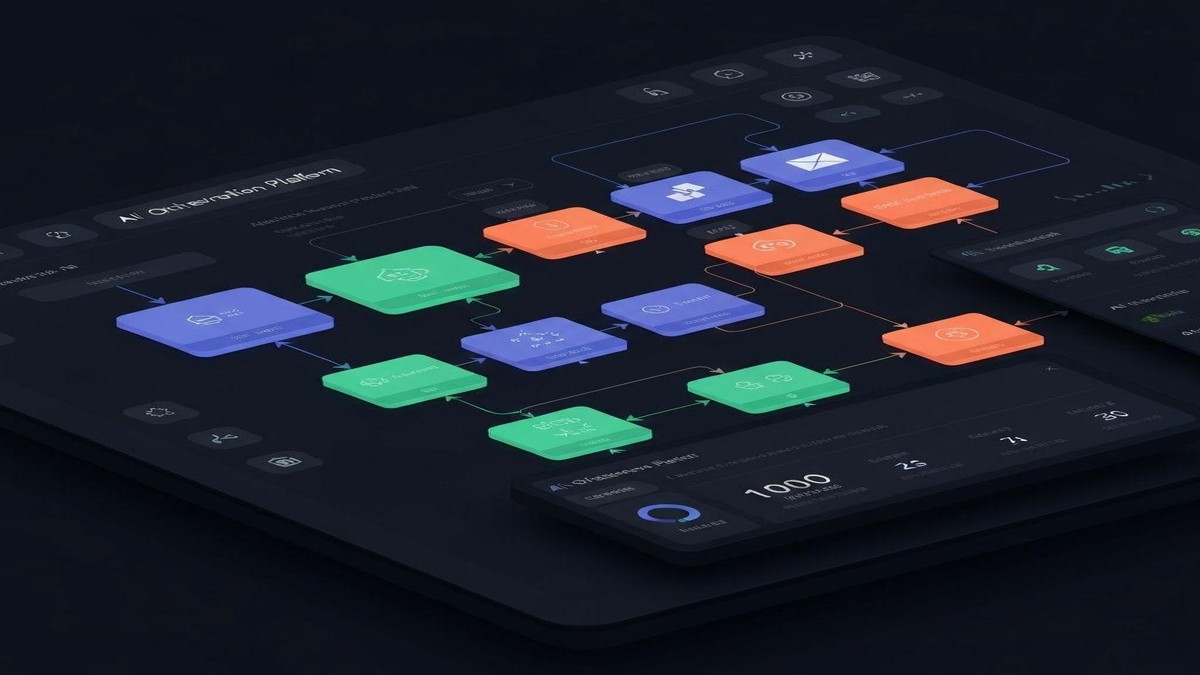
⚙️ AI vendors are introducing platforms focused on decision orchestration and operational intelligence.
✨ These systems combine AI agents, workflow engines, memory systems, real-time analytics, and governance controls.
📌 Core Capabilities:
- Decision orchestration across enterprise functions
- Real-time operational intelligence and analytics
- AI governance, audit trails, and compliance controls
- Multi-agent coordination for complex decision workflows
USE CASES
- Operational decision automation
- AI-driven risk management
- Enterprise intelligence dashboards
BENEFITS
- Faster, more consistent decisions
- Reduced operational complexity
- Scalable intelligence across functions
RISKS
- Requires strong data governance
- Explainability and auditability challenges
- Integration complexity with legacy systems
📈 Decision intelligence platforms are becoming the next wave of enterprise AI infrastructure investment.

Host: Nathan Labenz · Guests: AI researchers, enterprise AI leaders, infrastructure experts
Topic: AI agents, enterprise orchestration, autonomous systems
📅 Latest Episodes: Updated weekly (May 2026 cycle) · ⏰ Duration: ~45–90 minutes · 🌐 Platform: Spotify / Apple Podcasts / YouTube
🔗 Official Podcast Hub: cognitiverevolution.ai
📌 Why enterprise leaders should listen:
- Deep technical and strategic AI insights for enterprise leaders
- Covers enterprise-scale AI deployment, orchestration, and autonomous systems
- Strong relevance for CTOs, CIOs, and AI strategy teams
🔑 KEY INSIGHT
“The enterprises that will win the next decade are those that understand AI as a coordination layer, not just a productivity tool.”
Organizer: Microsoft · Focus: Enterprise AI transformation, copilots, AI infrastructure, security
📅 Schedule: Ongoing May 2026 regional sessions · 🌐 Venue: Hybrid (global cities + virtual sessions)
🎯 Audience: Enterprise leaders, architects, developers, CTOs
🔗 Official Event Hub: aitour.microsoft.com
📌 Why it matters:
- Real-world enterprise AI transformation examples from Microsoft customers
- Strong focus on governance, compliance, and responsible AI deployment
- Practical AI integration strategies for enterprise teams
Organizer: Google Cloud · Focus: Generative AI, enterprise AI architecture, AI deployment
📅 Upcoming Sessions: May 2026 ongoing schedule · 🌐 Venue: Virtual / Hybrid
🎯 Audience: Enterprise architects, AI leaders, platform teams
🔗 Official Events Hub: cloud.google.com/events
📌 Why it matters:
- Enterprise deployment patterns for generative AI at scale
- AI infrastructure, orchestration, and scaling insights
- Multi-cloud AI strategy and interoperability frameworks
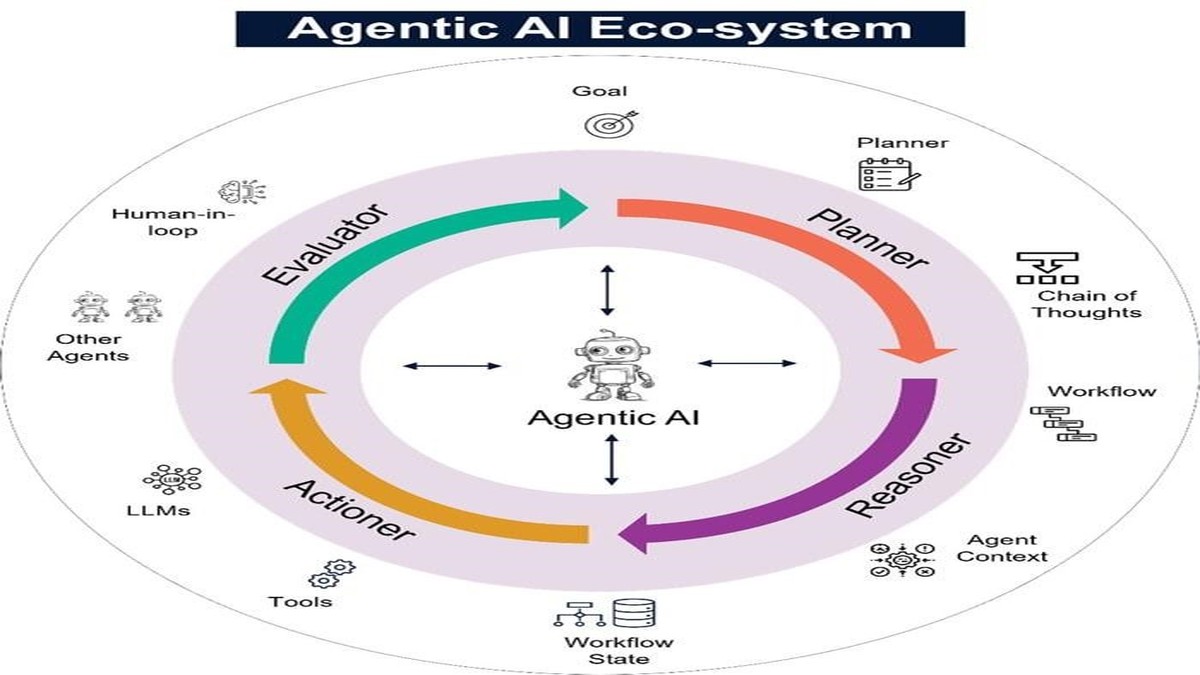
🚀 The next generation of enterprises will rely on AI-driven operational coordination across all core functions.
📊 AI agents will manage planning, workflow orchestration, operational optimization, and decision routing.
🏢 Organizations will evolve toward hybrid human + AI operating models where AI handles routine operational complexity.
OPPORTUNITIES
- Massive productivity and execution advantages
- AI-native enterprises will emerge as category leaders
- Decision intelligence will become a core competitive differentiator
RISKS
- Governance, accountability, and oversight challenges
- Requires robust auditability and explainability frameworks
- Execution speed and governance maturity will define competitive advantage
📌 The enterprises that build decision intelligence infrastructure today will define the competitive landscape of tomorrow.
“The future enterprise will not simply use AI — it will coordinate itself through AI.”
Reflects the growing convergence of AI orchestration, memory systems, and enterprise operating models. Organizations that master AI-driven decision coordination will achieve compounding competitive advantages across every function.
Ready to Build Your AI Decision Intelligence System?
At Neotheta, we help enterprises architect AI-native decision systems. From orchestration to operational intelligence — we build scalable, enterprise-grade AI decision layers.
