
🤖 AI Agents, Enterprise Shift & Platform Wars
This week marks a decisive shift from AI experimentation to AI operationalization. Enterprises are no longer asking “Can we use AI?” — but “How fast can we scale it?” A surge in AI agents, orchestration frameworks, and enterprise copilots signals a move toward autonomous systems.

🧠 Research is converging on reasoning, memory, and tool-use capabilities, redefining how AI integrates into workflows.
🏢 Platform players are doubling down on end-to-end ecosystems, locking in enterprise adoption.
🔐 Meanwhile, governance, safety, and compliance layers are becoming first-class architecture components.
🌐 The competitive battlefield is no longer models — it’s who owns the enterprise AI stack.
📉 Organizations that delay structured adoption risk falling into fragmented, tool-heavy inefficiency.
📈 Those who act now are building compounding intelligence advantages across functions.
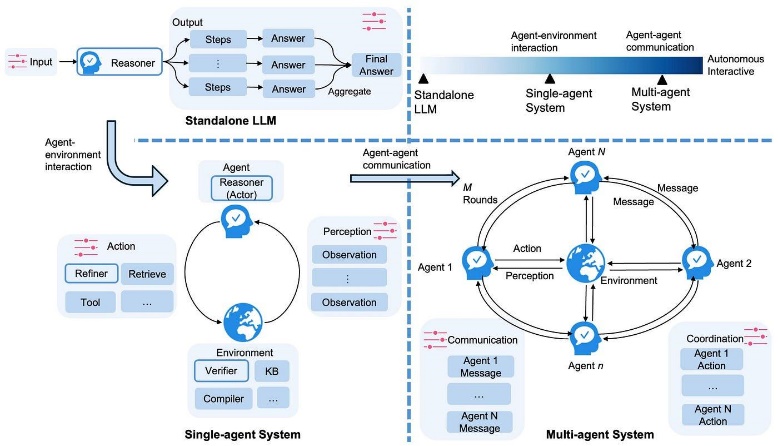
🚀 New research demonstrates coordinated AI agents solving complex, multi-step enterprise problems.
⚙️ These systems distribute tasks across specialized agents — planning, execution, validation.
📊 The key novelty lies in inter-agent communication protocols and shared memory layers.
🏗️ Architecturally, this introduces agent orchestration layers similar to microservices.
Agent Orchestration
Distributed Intelligence
Task Decomposition
Enterprise Relevance: Supply chain optimization, financial modeling, and autonomous operations.
Watch out for: Complexity in debugging, observability, and trust. These systems reduce dependency on single monolithic models, but future direction points toward self-improving agent ecosystems.
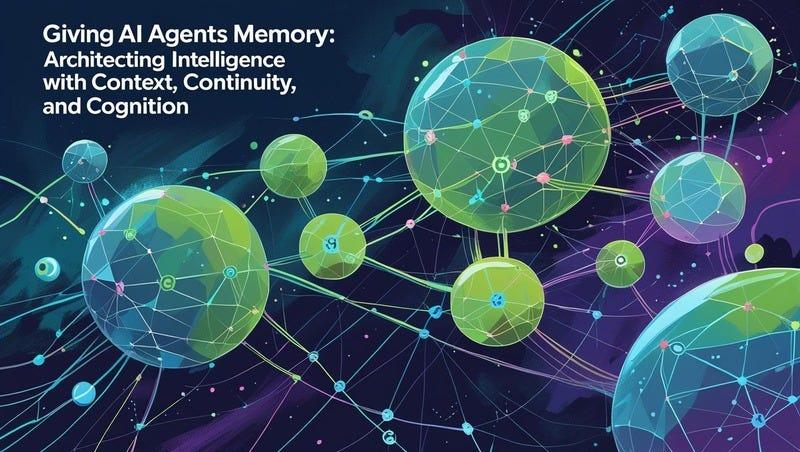
📚 New models extend context windows and introduce persistent memory mechanisms.
⚙️ This allows AI to maintain state across sessions and workflows.
🏗️ Architecturally, this shifts systems from stateless APIs to stateful intelligence layers.
🏢 Enterprise use: customer support continuity, knowledge management, and decision tracking.
📊 It enables organizational memory at scale.
Stateful AI
Knowledge Management
Watch out for: Data leakage and governance challenges. Requires strong data segmentation and access control frameworks.
📈 Future: AI systems that “remember” like employees.

⚔️ Major players are bundling models, tools, and infrastructure into unified ecosystems.
📦 This reduces integration friction but increases vendor lock-in.
🏗️ Enterprises must rethink build vs buy vs hybrid strategies.
- Competitive advantage is shifting to platform control, not model quality alone
- Regulatory scrutiny is rising around data usage and model transparency
- Organizations need multi-platform resilience strategies
- Risk: over-dependence on a single AI vendor
📈 Opportunity: leverage ecosystems for faster deployment cycles.

⚙️ New tools enable creation of autonomous AI workflows without deep coding.
👨💼 Designed for product teams, operations leaders, and AI engineers.
✨ Features include task chaining, memory integration, and tool usage APIs.
USE CASES
- Customer service automation
- Internal copilots
- Process optimization
BENEFITS
- Faster deployment
- Reduced engineering overhead
- Usage-based enterprise pricing
LIMITATIONS
- Scalability challenges
- Debugging complexity
- Data privacy depends on integration architecture

Topic: Transitioning from copilots to autonomous agents
🎧 Host discusses enterprise AI adoption with industry experts — focusing on how leaders must rethink operating models and workflows.
🏢 Relevance: leaders must rethink operating models and workflows.
🔑 KEY INSIGHT
“AI ROI comes from workflow redesign, not tool adoption.”
⚙️ Emphasis on cross-functional alignment and governance.
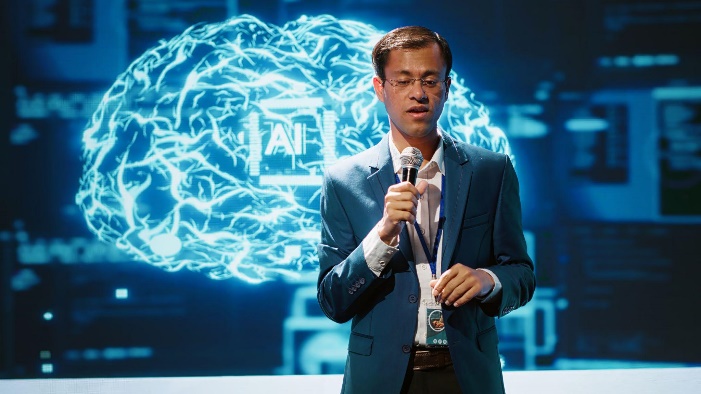
Organizer: Industry AI consortiums and cloud providers · Audience: CTOs, architects, AI leaders
📚 Topic: Building scalable, secure AI systems
📈 Strategic importance: aligns technology with business outcomes.
Governance
Orchestration
Platform Strategy
🧠 Helps organizations avoid fragmented AI adoption — focus on governance, orchestration, and platform strategy.
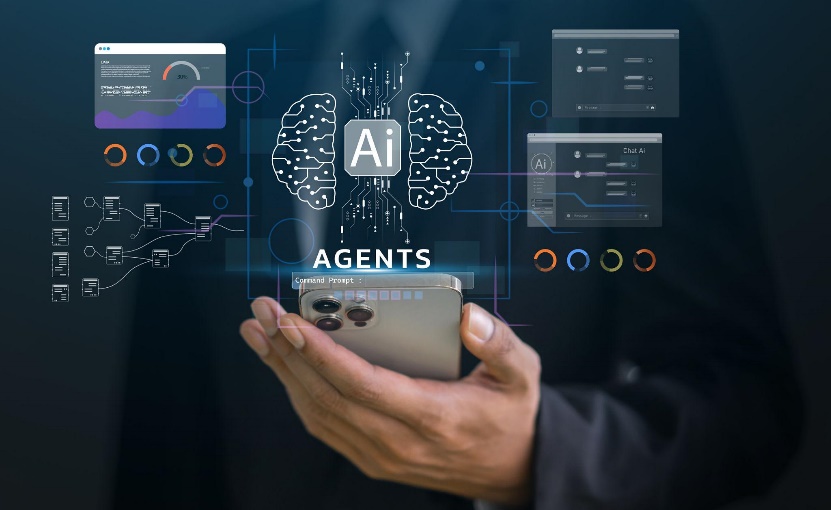
🚀 AI agents will manage entire workflows, not just assist humans.
🏢 Functions impacted: operations, HR, finance, customer service.
📊 Organizations will shift toward AI-augmented org structures.
IMPACTED FUNCTIONS
- Operations
- HR & Talent
- Finance & Risk
- Customer Service
OPPORTUNITIES
- Massive productivity gains
- Cost optimization
- Early adopters gain structural competitive advantage
RISKS
- Governance & accountability concerns
- Ethical considerations
- Requires robust monitoring and audit frameworks
“The real value of AI is not intelligence — it’s orchestration.”
This reflects the shift from standalone models to integrated systems — competitive advantage in AI is won at the orchestration and integration layer, not at the model layer.
Ready to Move Beyond AI Experimentation?
At Neotheta, we help enterprises move from AI experimentation to scalable transformation. From agent architectures to enterprise AI platforms — we build systems that deliver real ROI.
